

Klask has captivated players worldwide with its fast-paced magnetic gameplay and competitive intensity. Scoring clean goals requires mastering technique, positioning, and strategic thinking beyond simply hitting the ball hard. This comprehensive guide reveals proven methods for consistently beating opponents and dominating the Klask board.
Whether you’re preparing for tournament play or seeking bragging rights among friends, these strategies will transform your game. Understanding fundamental mechanics combined with advanced tactics separates casual players from champions.
Understanding Klask Game Mechanics and Scoring
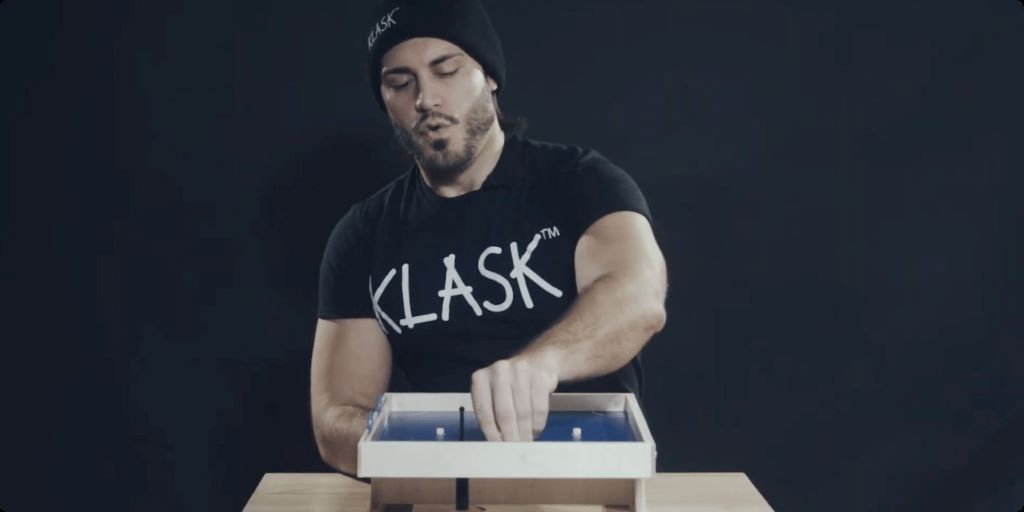
Klask combines elements of air hockey, foosball, and magnetic manipulation into unique tabletop competition. Players control magnetic strikers beneath the wooden board while maneuvering around three white magnetic obstacles. The small orange ball becomes the focus of intense rallies.
Clean goals occur when the ball enters the opponent’s goal without defensive interference. Unlike deflections or lucky bounces, clean goals demonstrate superior control and strategic execution. Therefore, developing consistent scoring ability requires understanding ball physics and striker movement patterns.
The magnetic connection between your piece and the striker creates specific movement characteristics. Quick directional changes become possible, but momentum affects precision. Additionally, the ball’s weight and surface interaction influence shot trajectory and speed.
Scoring in Klask happens through multiple methods. Driving the ball into the opponent’s goal counts as one point. However, opponents also score if you drop two white magnets into your own goal or if your striker piece flips and attaches to the underside of the board.
Mastering Fundamental Striker Control Techniques
Grip determines control precision and shot power. Hold your magnetic piece firmly but not rigidly between thumb and fingers. This balanced grip allows quick movements while maintaining accuracy. Moreover, relaxed hands prevent fatigue during extended matches.
Practice smooth striker movements across the board surface. Jerky motions create unpredictable ball contact and reduce accuracy. Gliding movements provide better control during both offensive strikes and defensive positioning. Therefore, spend time developing fluid motion patterns.
Striker positioning relative to the ball determines shot angles and power. Centering your striker behind the ball creates direct forward shots. Positioning slightly offset enables angled attacks that confuse defenders. Additionally, varying your striking position makes your offensive patterns less predictable.
Speed control separates beginners from advanced players. Not every shot requires maximum power. Controlled shots often prove more accurate than wild slaps. Furthermore, varying shot speeds keeps opponents guessing about your next move.
Developing Accurate Shooting Angles
Angle mastery creates scoring opportunities from anywhere on the board. Straight shots prove easiest to defend against. Conversely, angled approaches force opponents into difficult defensive positions. Study how different contact points affect ball trajectory.
The ball’s contact point on your striker determines deflection angles. Hitting the ball’s center creates straight-line movement. Contacting either side imparts spin and angular momentum. Therefore, intentional contact point selection enables precise shot placement.
Corner approaches offer particularly effective scoring angles. Attacking from board corners forces defenders to cover maximum goal width. Additionally, corner shots travel shorter distances, reducing interception time. Position yourself strategically to exploit these geometric advantages.
Bank shots using board edges expand your offensive arsenal. The ball rebounds predictably off quality boards, allowing calculated ricochet shots. These unexpected angles catch opponents off-guard. However, banking requires practice to master rebound physics and timing.
Building Effective Offensive Strategies
Offensive pressure keeps opponents reactive rather than proactive. Maintain forward positioning when possible without sacrificing defensive coverage. Aggressive positioning creates scoring chances while limiting opponent counterattacks. Moreover, constant pressure forces errors and defensive mistakes.
Shot variation prevents opponents from anticipating your moves. Alternate between powerful drives and controlled placements. Mix direct shots with angled approaches and occasional banks. This unpredictability makes defending against you significantly harder.
Fake shots create openings by manipulating opponent positioning. Wind up for powerful strikes but pull back at the last moment. Defenders often commit to blocking anticipated shots, leaving gaps elsewhere. Therefore, deception becomes a powerful offensive weapon.
According to The Strategist, Klask’s appeal lies in its blend of physical skill and strategic thinking, making it both accessible and deeply competitive.
Quick strike opportunities arise constantly during matches. Recognize moments when opponents overcommit defensively or leave their goal exposed. Capitalize immediately on these openings with decisive shots. Additionally, rushing opponents after they score often catches them unprepared.
Perfecting Timing and Ball Control
Timing determines whether shots score or get blocked. Rushing shots often results in poor accuracy and easy saves. Conversely, hesitating allows defenders to reposition. Find the balance between patience and decisiveness through practice.
Ball possession control extends beyond simply touching the ball. Skilled players manipulate the ball around the board, creating favorable shooting positions. Shield the ball from opponents while maneuvering into optimal angles. This controlled possession frustrates defenders and creates clean looks.
Dribbling techniques help maintain possession during offensive buildups. Use light taps to guide the ball rather than powerful strikes. Keep the ball close to your striker while advancing. Moreover, controlled dribbling prevents the ball from bouncing unpredictably.
Reading ball momentum helps predict movement and plan shots. A fast-moving ball requires different timing than a slowly rolling one. Anticipate ball speed and trajectory when positioning for shots. Therefore, developing this predictive ability improves shooting success rates.
Avoiding Common Mistakes That Prevent Clean Goals
Overcommitting on offense leaves you vulnerable to multiple scoring methods. Aggressive attacks that pull your striker too far forward risk white magnet collection. Additionally, exposed positioning invites powerful counterattacks into your undefended goal.
Wild, uncontrolled shooting rarely succeeds against skilled opponents. Power without precision wastes opportunities and surrenders possession. Focus on accuracy before speed. Controlled shots consistently outperform frantic slapping.
Neglecting white magnet awareness causes preventable point losses. Track magnet positions constantly during play. Avoid areas crowded with these obstacles when possible. Furthermore, practice maneuvering around magnets while maintaining offensive pressure.
Predictable shot patterns allow opponents to anticipate and defend effectively. Repeatedly using the same angles or power levels becomes exploitable. Consciously vary your approach on every possession. This adaptability makes you substantially harder to defend.
Implementing Defensive Positioning for Counterattack Goals
Strong defense creates offensive opportunities through transitions. Position your striker to protect your goal while remaining ready to attack. This balanced stance allows quick switches from defense to offense. Moreover, counterattacks often catch opponents poorly positioned.
Goal coverage requires understanding angles and positioning. Center your striker relative to the ball’s position rather than in a fixed spot. This dynamic positioning adapts to threats from different angles. Additionally, staying slightly forward of your goal line improves reaction time.
Blocking shots cleanly transitions directly into counterattacks. Absorb opponent shots with controlled movements rather than desperate lunges. Clean blocks leave you positioned for immediate offensive response. Therefore, defensive technique directly impacts scoring opportunities.
Patience during defensive sequences prevents reckless mistakes. Not every opponent shot requires aggressive intervention. Sometimes allowing shots that miss naturally proves safer than risky block attempts. Trust your positioning and let poor shots pass harmlessly wide.
Practicing Drills for Consistent Scoring Improvement
Solo practice develops fundamental skills without competitive pressure. Set up specific scenarios and practice shooting from various positions. Work on both power shots and controlled placements. Additionally, practice navigating around white magnets while maintaining ball control.
Target practice improves accuracy significantly. Place visual markers in the opponent’s goal corners. Practice hitting these specific targets from different board positions. This precision training translates directly into match performance.
Speed drills build the quick-twitch responses needed during actual gameplay. Practice rapid striker movements and quick shots. Time yourself completing offensive sequences. Moreover, speed training combined with accuracy work creates well-rounded skills.
According to BoardGameGeek, experienced players emphasize consistent practice and strategic patience over raw power when developing winning techniques.
Partner drills simulate real match conditions better than solo practice. Work with another player on specific scenarios like corner attacks or defensive transitions. Cooperative practice identifies weaknesses and refines techniques. Furthermore, friendly competition pushes improvement faster than isolated training.
Reading Opponents and Adapting Your Strategy
Opponent tendencies reveal exploitable patterns. Notice which angles they defend poorly. Identify their preferred defensive positions. Use this information to target weaknesses consistently. Additionally, strong players adapt their approach based on opponent style.
Defensive gaps appear when opponents use predictable positioning. If they consistently protect one side, attack the opposite. Exploit habitual movements and static positioning. This analytical approach creates scoring opportunities against any opponent.
Psychological pressure affects opponent performance. Consistent scoring builds mental momentum while frustrating opponents. Maintain aggressive pressure after scoring to capitalize on opponent frustration. However, avoid overconfidence that leads to careless mistakes.
Mid-match adjustments separate good players from great ones. If your current strategy isn’t working, change approaches immediately. Try different angles, speeds, or tactics. Flexibility and adaptability prove crucial during competitive matches.
Maintaining Focus During Extended Matches
Mental stamina matters as much as physical skill during long sessions. Fatigue causes mistakes and reduces reaction speed. Take brief mental breaks between points. Reset your focus before each serve.
Emotional control prevents frustration from affecting performance. Missing shots happens to everyone. Dwelling on mistakes creates negative spirals. Instead, maintain positive energy and focus on the next opportunity. Therefore, mental resilience directly impacts consistent performance.
Physical endurance supports sustained performance during tournaments or extended play sessions. Klask requires less cardio than most sports but demands hand-eye coordination and fine motor control. Regular play builds the specific endurance needed.
Concentration techniques help maintain focus during critical moments. Develop pre-shot routines that center your attention. Block out distractions and visualize successful shots. This mental preparation improves execution under pressure.
Conclusion
Consistently scoring clean goals in Klask requires mastering multiple interconnected skills. Fundamental striker control provides the foundation for accurate shooting. Strategic positioning, angle mastery, and shot variation create scoring opportunities. Additionally, avoiding common mistakes and maintaining defensive awareness prevent giving away easy points. Regular practice using targeted drills accelerates improvement, while opponent analysis and mental focus sustain performance during competitive play. Therefore, combining technical skills with strategic thinking transforms casual players into consistent scorers who dominate the Klask board.
Frequently Asked Questions
What is the most effective shooting angle for scoring in Klask?
Corner approaches at 30-45 degree angles prove most effective because they maximize goal coverage while minimizing defensive reaction time. These angled shots force defenders to cover more area compared to straight-on attacks, creating better scoring opportunities consistently.
How can I improve my accuracy when shooting the Klask ball?
Practice target drills focusing on specific goal areas, develop smooth striker movements without jerky motions, and maintain proper grip pressure. Additionally, start with controlled shots emphasizing accuracy before increasing power, as precision forms the foundation for consistent scoring.
Should I focus on power or accuracy when shooting in Klask?
Accuracy should take priority over power for consistent scoring. Controlled, well-placed shots succeed more reliably than wild powerful strikes. However, varying shot speed while maintaining accuracy creates the most effective offensive approach that keeps opponents constantly adjusting.
How do I avoid collecting white magnets while playing offensively?
Maintain constant awareness of white magnet positions throughout the board. Plan your movement paths to avoid crowded areas, and practice controlled striker movements that allow quick direction changes. Additionally, develop peripheral vision to track magnets while focusing on the ball.
What’s the best way to practice Klask alone?
Set up target practice scenarios shooting at specific goal areas, practice navigating around white magnets while maintaining ball control, and work on both power and placement shots from various board positions. Time yourself completing offensive sequences to build speed alongside accuracy.
Related Topics:
What is the Most Sold Console of All Time?
Iron Marines vs Kingdom Rush: Charting a Course Through Real-Time Strategy