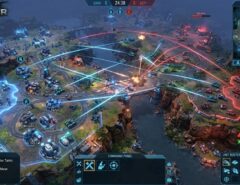

You win real time strategy games by managing your economy, scouting your enemy, and timing your attacks well. Skill matters, but strategy wins more games than raw speed. This guide breaks down the exact tactics top players use.
Most new players focus only on combat. They build units and attack. But strong RTS players spend equal time on economy and information. That balance is what separates casual players from ranked climbers.
Below, you’ll find clear tactics you can use in your very next match. Each section stands on its own, so skip around if you already know the basics.
Build a Strong Economy Before You Attack
Your economy decides how many units you can build and how fast you can rebuild after a fight. A weak economy means you lose the late game, even if you win early fights.
Prioritize Resource Gathering Early
Spend your first few minutes on workers, not soldiers. More workers mean more resources. More resources mean bigger armies later. Many pro players follow a simple rule: never stop producing workers until you hit your resource cap.
Expand to New Resource Points
Grabbing a second base early gives you double the income. It’s risky, since expansions are hard to defend. But the payoff is worth it in most matchups. Scout the map first, then expand once you know your enemy isn’t rushing you.
Scout Your Enemy Constantly
Scouting tells you what your enemy is building. Without it, you’re guessing. Guessing loses games.
Send a cheap unit toward your enemy’s base as soon as you can afford it. Watch their production buildings, not just their units. Buildings reveal strategy before units even leave the base.
Keep scouting throughout the match. Many players scout once, then stop. That’s a mistake. Strategies shift constantly, and old information leads to bad decisions.
Use Counter Units the Right Way
Every unit has a weakness. Learning counters lets you win fights with fewer resources than your opponent.
Learn the Basic Rock-Paper-Scissors System
Most RTS games follow a pattern. Light infantry beats ranged units. Ranged units beat heavy armor. Heavy armor beats light infantry. Learn this triangle for your specific game, and you’ll win far more engagements.
Mix Your Army Composition
Never build just one unit type. A mixed army covers your weaknesses. If your opponent counters one unit, your other units can still fight back. This single habit prevents a lot of one-sided losses.
Control the Map, Not Just Your Base
Map control means holding key resource points, chokepoints, and high ground. Players who control more map space control the pace of the game.
Place a few units near contested areas instead of parking your whole army at home. This forces your opponent to react to you, instead of the other way around. It also slows down their expansions, since they’ll hesitate to build near your units.
Watchtowers, vision points, and neutral buildings often give bonuses. Grabbing these early adds up over a long match, even though each one feels small.
Strike When Your Enemy Is Weakest
Timing decides whether an assault breaks your opponent or utterly decimates your own forces, as even the most powerful army will crumble when committed at the wrong moment. Mastering the art of the decisive push requires recognizing temporary windows of vulnerability such as right after an enemy overextends, mid-tech transition, or during a costly resource expansion where immediate pressure yields maximum damage. To refine your overarching approach to unit positioning and resource management alongside these critical timing windows, explore our comprehensive guide on win real-time strategy games with smart tactics.
Attack During Key Tech Transitions
Your enemy is weakest right when they’re switching from one unit tier to the next. Their old units are outdated, and their new ones aren’t ready yet. This window is one of the best times to strike.
Watch for Overextension
If your opponent expands or attacks without backup, punish it immediately. An undefended base or an army too far from home is an opportunity. Waiting too long lets them recover.
Manage Your Attention With Smart Multitasking

Good players aren’t just skilled in combat. They also split their attention well between their base, their army, and the map. This is often the real skill gap between amateur and advanced players.
Set short mental checkpoints. Every 30 to 60 seconds, check your production, your resources, and your army’s position. This habit, more than raw hand speed, is what most competitive players say separates skilled players from beginners, according to industry experts and coaching guides.
Use hotkeys for your buildings and units. Clicking through menus wastes time you could spend reacting to your opponent. Even learning five or six key hotkeys can noticeably speed up your decision-making.
Adapt Your Strategy Mid-Game
No single strategy wins every match. The best players adjust based on what they scout and what they lose in fights.
If your build order isn’t working, don’t force it. Pull back, rebuild your economy, and pick a new approach. Stubbornly repeating a failing plan is one of the most common reasons players lose winnable games.
Watch your own replays after matches. You’ll often spot mistakes you didn’t notice while playing. This single habit improves your decision-making faster than almost anything else you can do.
Frequently Asked Questions
What is the most important tactic in RTS games?
Economy management is usually the most important tactic. A strong economy lets you rebuild your army after losses and outlast your opponent. Combat skill matters, but it can’t fix a weak economic base.
How often should I scout my opponent?
Scout at the very start of the match, and then check in every few minutes. Enemy strategies change, so one scouting trip isn’t enough. Constant scouting helps you react before it’s too late.
Should I focus on one unit type or a mixed army?
A mixed army is almost always safer than one unit type. Single-unit armies get countered easily and lose fights fast. Mixing units covers your weaknesses and keeps your options open.
How do I know when to attack?
Attack when your opponent is mid-tech-transition or overextended without backup. These moments leave them vulnerable. Waiting for a clear opening beats attacking just because your army looks ready.
Can beginners really improve with tactics alone, without fast clicking speed?
Yes, tactics can outweigh raw speed, especially at beginner and intermediate levels. Good decision-making, scouting, and economy habits win more games than fast clicking alone. Speed matters more at the highest competitive levels, but tactics matter at every level.
Conclusion
Winning real time strategy games comes down to a few repeatable habits: build a strong economy, scout constantly, use counter units, control the map, and time your attacks well. None of these tactics require lightning-fast reflexes. They require consistency and attention.
Start by picking one habit from this guide, like scouting every few minutes or checking in on your production regularly. Add more habits as the first one becomes automatic. Small, steady improvements like these are what turn casual players into serious competitors.