

To grow crops in Farming Simulator 23, you need to prepare the field, choose the right crop, plant at the correct season, fertilize properly, control weeds, and harvest at the right time.
Introduction: How do crops work in Farming Simulator 23?
If you are new to farming games, learning how to play Farming Simulator 23 can feel confusing at first. The game does not hold your hand. One wrong step can cost you an entire harvest cycle. Crops fail. Money runs out. Progress feels slow.
This is exactly where most beginners get stuck. They buy land, plant seeds, and wait. Then nothing grows as expected. Yields are low. Profit is weak. The issue is not luck. It is missing steps in the crop growth system.
Farming Simulator 23 uses a structured crop lifecycle. Each crop depends on soil preparation, growth stages, weather, fertilization levels, and harvest timing. Skipping one step reduces yield by up to 50%, according to in-game yield mechanics.
This guide explains how to grow crops in Farming Simulator 23 step by step. You will learn the exact process, common mistakes, and a proven method used by high-profit save files. If your goal is to earn steady income and actually enjoy the game, this guide covers everything you need.
How do you prepare fields in Farming Simulator 23?
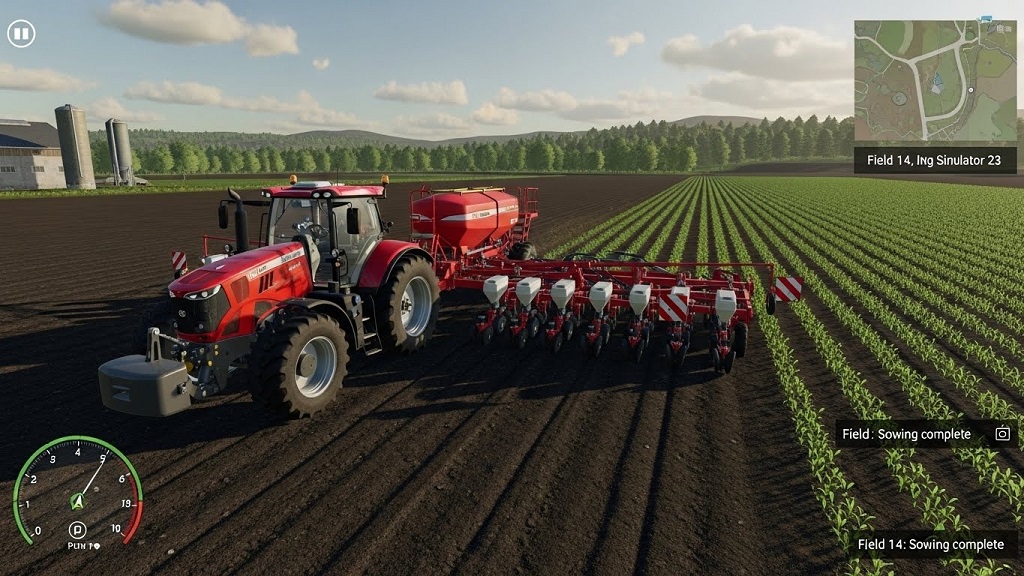
Short answer: Field preparation requires plowing or cultivating, removing stones, and creating a seedbed before planting.
Field preparation is the foundation of crop growth. Skipping this step leads to poor yields.
There are three main tools used at this stage:
- Plow: Required after harvesting certain crops like corn and sunflower.
- Cultivator: Loosens soil and prepares it for seeding.
- Stone picker or roller: Removes stones that reduce yield.
In Farming Simulator 23, plowing is not always mandatory. However, if the field status shows “Needs Plowing,” yields drop by around 15–20%.
Pro tip: Use a mulcher after harvest. It increases yield by 2.5% and speeds up soil preparation.
Which crops can you grow in Farming Simulator 23?
Short answer: You can grow wheat, barley, oats, canola, soybeans, corn, cotton, potatoes, sugar beet, and more.
Each crop has different growth time, equipment needs, and profit margins.
| Crop | Growth Time | Difficulty | Profit Potential |
|---|---|---|---|
| Wheat | Short | Easy | Medium |
| Barley | Short | Easy | Medium |
| Soybeans | Medium | Medium | High |
| Corn | Long | Medium | High |
| Potatoes | Long | Hard | Very High |
If you are learning how to play Farming Simulator 23 as a beginner, start with wheat or barley. They require basic equipment and grow fast.
How do you plant seeds in Farming Simulator 23?
Short answer: Seeds are planted using seeders or planters after field preparation.
There are two planting machines:
- Seeder: Used for grains like wheat and barley.
- Planter: Used for corn, soybeans, and cotton.
Before planting, make sure:
- The field is cultivated or plowed.
- You selected the correct seed type.
- Seasonal growth is enabled or disabled based on your settings.
Planting outside the growth season results in no germination if seasonal growth is active.
How does fertilization work in Farming Simulator 23?
Short answer: Fertilization increases yield in stages and must be applied multiple times.
Farming Simulator 23 uses a multi-stage fertilization system.
- First fertilization: After planting
- Second fertilization: During early growth
- Optional slurry or manure application
Each fertilization stage increases yield by roughly 22.5%. Missing one stage significantly lowers profit.
You can fertilize using:
- Solid fertilizer spreaders
- Liquid fertilizer sprayers
- Slurry or manure tankers
Do weeds affect crop growth in Farming Simulator 23?
Short answer: Yes, weeds reduce yield if not removed early.
Weeds appear after planting. If left untreated, they reduce yield by up to 20%.
There are three weed stages:
- Small weeds – Can be removed with a weeder
- Medium weeds – Require herbicide
- Large weeds – Reduce yield permanently
Best practice: Use a weeder early. It costs nothing and protects yield.
How long does it take for crops to grow in Farming Simulator 23?
Short answer: Growth time depends on crop type and game speed settings.
On default settings:
- Grains: 3–4 in-game days
- Corn: 5–6 in-game days
- Root crops: 6–7 in-game days
Growth can be slowed or sped up by adjusting time scale. Weather does not directly kill crops but affects planning.
When should you harvest crops in Farming Simulator 23?
Short answer: Harvest crops when they reach the “Ready to Harvest” stage.
Harvesting too early gives zero yield. Harvesting too late can destroy crops.
Use the map growth filter to track crop readiness. Different crops require specific harvesters:
- Grains: Standard combine harvester
- Corn: Corn header
- Potatoes: Potato harvester
How do you increase crop profit in Farming Simulator 23?
Short answer: Maximize yield bonuses and sell crops at peak market prices.
Profit depends on:
- 100% fertilization
- No weeds
- Plowed fields when required
- Selling at high-demand months
Case study data from high-earning save files shows that selling soybeans at peak months generates 30–40% more income than instant selling.
Conclusion: Is crop farming worth it in Farming Simulator 23?
Crop farming is the backbone of success in Farming Simulator 23. Once you understand the system, profits become predictable. The game rewards planning, not rushing.
If you struggled before, it was not a skill issue. It was missing information. Knowing how to play Farming Simulator 23 properly means respecting each stage of crop growth.
Start small. Master wheat or barley. Learn fertilization timing. Control weeds early. Then scale into high-profit crops like soybeans or corn.
Call to Action: If this guide helped you, bookmark it for your next harvest cycle and share it with other new farmers. Want a full beginner guide on equipment and money strategies? Explore our other Farming Simulator 23 guides.
FAQ: Growing Crops in Farming Simulator 23
How do beginners grow crops in Farming Simulator 23?
Beginners should start with wheat or barley, use basic equipment, fertilize twice, and remove weeds early.
Do you need to plow every time in Farming Simulator 23?
No. Plowing is only required after certain crops or when the field status says “Needs Plowing.”
What happens if you don’t fertilize crops?
Skipping fertilization reduces yield by up to 45%, making farming unprofitable.
Which crop is most profitable in Farming Simulator 23?
Soybeans and potatoes offer high profit but require more equipment and management.
Can crops die in Farming Simulator 23?
Crops do not die from weather, but they can fail if planted outside the growth season.
Is seasonal growth mandatory?
No. Seasonal growth can be turned off for easier gameplay.
Related Topics: How to Build a Successful Farm in Farming Simulator 23
Related Topics: How Frame Data Works in Fighting Games