

The right game is the one that matches your taste, your free time, and your budget not the one with the biggest marketing budget. Most players waste money because they buy based on hype instead of fit. This guide gives you a clear, practical way to pick games you will actually enjoy and finish.
Gaming is not cheap anymore. A single AAA title can cost $60 to $80, and add-ons push that number even higher. If you buy the wrong game, that money is gone, and so is the time you spent trying to like it.
This article breaks down the exact factors to check before you click “buy.” You will also find a short FAQ at the end for quick answers to common questions.
Know Your Gaming Habits Before You Shop
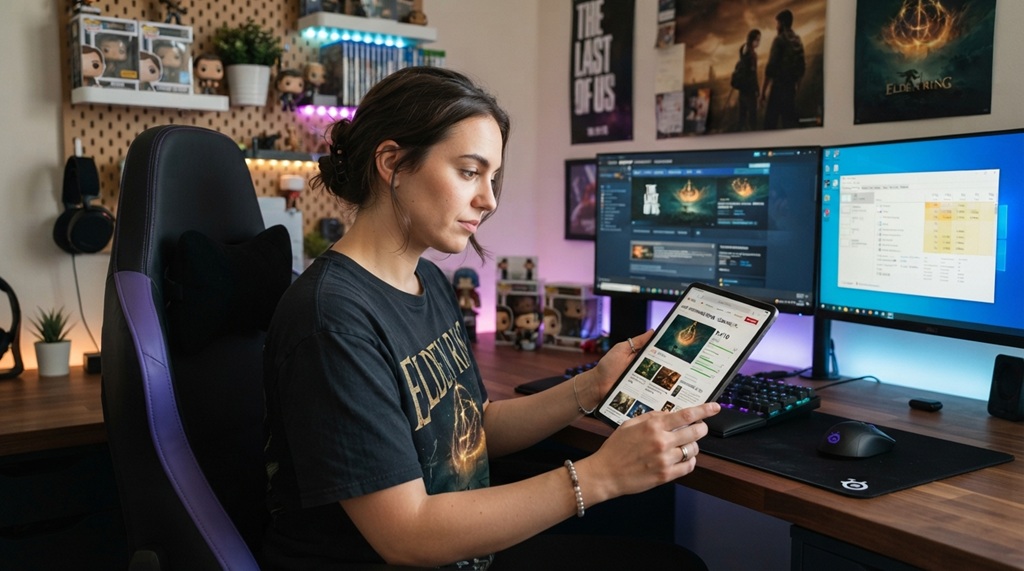
Your buying decision should start with your own habits, not the game’s trailer. A game that fits your lifestyle is a game you will actually play.
How Much Time Do You Really Have?
Be honest about your weekly gaming hours. If you only play five hours a week, a 100-hour open-world epic may sit unfinished on your shelf. Shorter, tighter games often give players like you more satisfaction per hour.
What Genres Keep You Engaged?
Look at your past playtime, not your past purchases. Many platforms show you total hours per game. If you have 200 hours in strategy games and 2 hours in shooters, that data tells you where your real interest lies.
Research Smart to Prevent Buyer’s Remorse
Investing ten focused minutes in preliminary research before tapping “buy” shields you from immediate regret and saves your hard-earned money from being wasted on an unoptimized title. Before making your final purchase, check out our guide on how to test game performance and spot real upgrades to ensure your system delivers smooth, uncompromised gameplay. A quick evaluation of technical benchmarks and authentic user reviews guarantees that every game added to your library offers genuine, lasting value.
Check Reviews From Multiple Sources
Read reviews from at least two or three different outlets, plus player reviews on the store page. Critics often focus on technical polish, while players focus on long-term fun and replay value. Both views matter, and neither one alone gives you the full picture.
Watch Real Gameplay, Not Just Trailers
Trailers are marketing tools built to excite you, not to show the actual game loop. Search for unedited gameplay footage or a streamer’s first hour with the game. This shows you the pacing, the controls, and the actual feel the things that matter after the hype fades.
Look at the Refund Policy First
Most major platforms, including Steam, PlayStation, and Xbox, offer refunds under certain conditions, such as limited playtime and a short time window. Check these rules before you buy. A safety net makes trying a new game far less risky.
Match the Game to Your Budget, Not the Other Way Around
Your budget should guide your choice, not your excitement about a new release. Setting a limit before you shop helps you avoid impulse buys you will regret.
Full Price vs. Waiting for a Sale
New releases rarely go on sale in the first few months. If a game is not urgent for you, waiting three to six months can cut the price by 30% to 50%, according to common industry pricing patterns. Patience is one of the simplest ways to save money on games.
Watch Out for Hidden Costs
Many games now include microtransactions, season passes, or paid downloadable content. A $20 game can turn into a $100 experience if you feel pressured to buy every add-on. Check what the base game includes before you decide if the price is fair.
Consider Subscription Services
Services like Xbox Game Pass or PlayStation Plus let you try many games for one monthly fee. If you like exploring new titles but hate committing to full price, a subscription can be a smarter way to test games before buying them outright.
Check If the Game Fits Your Hardware
A great game is worthless if your system cannot run it well. This step is easy to skip, but it prevents a frustrating experience after purchase.
Compare System Requirements Carefully
Check the minimum and recommended specs against your PC or console before buying. Meeting only the minimum requirements often means low settings and lower frame rates. If performance matters to you, aim to exceed the recommended specs, not just meet the minimum.
Check for Console-Specific Features
Some games use unique controller features, haptic feedback, or backward compatibility differently across consoles. If you own an older console, confirm the game runs well on your specific model, not just the console family in general.
Look Past the Hype and Marketing
Marketing is designed to create urgency, not to help you make a smart decision. Learning to see past it protects both your wallet and your time.
Be Careful With Pre-Orders
Pre-ordering means paying before reviews exist and before you know if the game runs well at launch. Unless a developer has a strong, consistent track record, waiting for launch reviews is almost always the safer choice.
Notice Patterns From the Developer’s Past Games
A developer’s history is one of the most useful and most overlooked signals. Search for how their last two or three games launched, and whether they patched issues quickly. This single check often predicts your experience better than any trailer.
A Simple Insight Most Guides Skip: Track Your Regret, Not Just Your Purchases
Most articles tell you to research more before buying. Few tell you to look backward at what you already own. Open your game library right now and sort by playtime. The games with zero or very low hours are your personal data on what does not work for you.
Write down what those unplayed games had in common genre, length, price, or how you heard about them. This pattern is more accurate than any general buying guide, because it is based on your actual behavior, not average player behavior. Use this pattern as a filter before your next purchase.
Frequently Asked Questions
How do I know if a game is worth full price?
A game is worth full price if it matches your favorite genre, has strong reviews from both critics and players, and fits comfortably in your budget. If any of these three points feels weak, waiting for a sale is usually the safer choice.
Should I trust game review scores?
Review scores are a useful starting point, but they should not be your only factor. Read a few written reviews to understand why a game scored well or poorly, since the reasons behind the score often matter more than the number itself.
Is it better to buy digital or physical games?
Digital games offer convenience and instant access, while physical games often hold resale value and do not depend on storage limits from downloads. Choose based on whether you value convenience or long-term flexibility more.
How can I avoid buying games I never finish?
Check your past playtime data before buying, and be honest about how much free time you actually have each week. Choosing games that match your real schedule, not your ideal schedule, is the biggest factor in finishing what you buy.
Are game subscriptions a good alternative to buying?
Game subscriptions work well if you enjoy trying many different titles and do not mind games rotating in and out of the library. If you prefer owning your games permanently, buying individual titles may suit you better.
Conclusion
Choosing the right game worth your money comes down to matching the purchase to your real habits, your budget, and your hardware. Skip the hype, check reviews from more than one source, and pay attention to your own playtime history. A little research before you buy saves both your money and your time and helps you build a game library you will actually enjoy.