

Drifting like a pro comes down to three things: timing your brake, controlling your throttle, and reading the corner before you reach it. Once you master those basics, you can chain drifts through hairpins and long sweepers without losing speed. This guide breaks down exactly how to get there, whether you play Forza, Need for Speed, Assetto Corsa, or any other fast-paced racer.
Most players think drifting is just about sliding sideways. It’s actually about control. A pro driver uses a drift to carry more speed through a corner than a normal turn allows. If you’re losing time every time you drift, something in your technique needs fixing.
This article walks through the core mechanics, the settings that help, common mistakes, and drills you can practice today. You’ll also find quick answers to the questions racing gamers ask most.
Understanding the Basics of Drifting in Racing Games
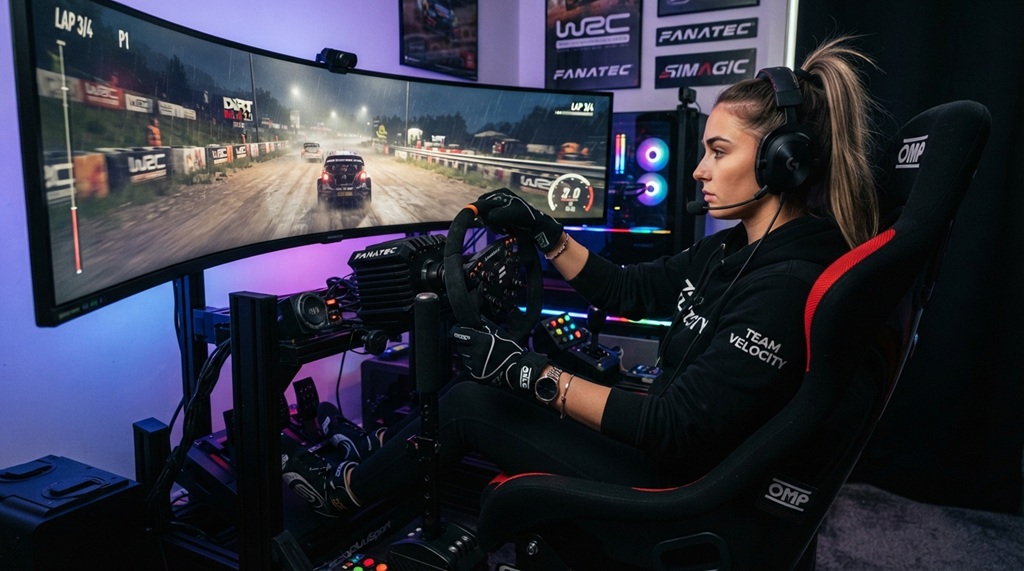
Drifting means intentionally breaking rear-wheel traction so your car slides through a turn instead of gripping it. The goal is to control that slide, not just create it.
In most games, three inputs cause a drift: a sharp steering input, a quick brake tap, or a handbrake pull. Each method suits different situations. A handbrake works well for tight hairpins. A weight-transfer drift, where you lift off the throttle mid-corner, works better for wide sweeping turns.
Why Drifting Helps You Go Faster
Drifting isn’t just for style points. A well-timed drift lets you carry more momentum through a corner than braking and turning normally would. Instead of scrubbing off speed to make the turn, you redirect the car’s momentum sideways and use it to your advantage.
This only works if the drift angle stays controlled. Too much slide angle scrubs speed just like over-braking does. The sweet spot is a slide that keeps your car pointed toward the exit while still moving forward efficiently.
The Physics Behind a Controlled Slide
Every drift relies on weight transfer. When you brake or lift the throttle, weight shifts to the front tires, which reduces grip at the rear. That’s what breaks traction and starts the slide.
Understanding this helps you predict how your car will behave before you even attempt the drift. Heavier cars need a stronger initial input. Lighter, rear-engine cars often drift with barely any input at all.
Choosing the Right Settings for Drifting
Your in-game settings can make or break your drift consistency. Before you focus on technique, check your controller sensitivity and assist settings.
Controller vs. Wheel Sensitivity
Lower your steering sensitivity slightly if you’re using a controller. A sensitivity that’s too high causes oversteer corrections that snap the car out of the drift. Most pro players run their steering sensitivity between 40-60%, though this varies by game and car.
If you use a wheel, adjust your rotation angle to match the car you’re driving. A 900-degree rotation feels realistic but can slow your reaction time in fast corners. Many drift specialists drop this to 540 degrees for quicker countersteer.
Traction Control and Stability Assists
Turn off traction control if your goal is genuine drift mastery. These assists actively fight the slide you’re trying to create, which makes it nearly impossible to hold a controlled angle.
Stability control should also be disabled for the same reason. Keep ABS on if you’re new to drifting, since it helps prevent lockups during your brake-initiated slides. You can turn it off later once your braking technique improves.
Mastering Core Drift Techniques
Every pro driver relies on a small set of core techniques and applies them based on the corner in front of them. Learning these four methods covers almost every drift situation you’ll face.
The Handbrake Drift
Use the handbrake for tight, low-speed corners like hairpins. Tap the handbrake briefly while turning into the corner, then release it and catch the slide with countersteer.
This technique works best at lower speeds because pulling the handbrake at high speed can spin the car completely. Practice this on hairpins first before trying it on faster corners.
The Weight-Transfer (Lift-Off) Drift
Lift off the throttle just before turning into a wide or medium-speed corner. The sudden weight shift to the front tires reduces rear grip enough to start a slide without needing the handbrake.
This method feels smoother and is easier to control than a handbrake drift. It’s the technique most real-world drift instructors teach first, since it relies on car balance rather than a hard input.
The Braking Drift (Trail Braking)
Brake into the corner while gradually easing off the pedal, then turn in as you release the brake. This combines braking and turning into one motion, which shifts weight forward and breaks rear traction.
Trail braking takes more practice than the other methods because timing matters. Brake too late and you’ll overshoot the corner. Release too early and the drift won’t start at all.
The Clutch Kick Drift
Available in games with manual transmission, a clutch kick involves quickly pressing and releasing the clutch while at high RPM. This sends a burst of power to the rear wheels, breaking traction instantly.
This works well mid-drift when you need to extend or adjust the slide angle. It’s an advanced technique, so save it until you’re comfortable with the first three methods.
Common Drifting Mistakes and How to Fix Them
Most players struggle with the same handful of mistakes when learning to drift. Recognizing them early saves hours of frustration.
Oversteering and Losing Control
Oversteering happens when you turn too much for the amount of grip your rear tires have left. The fix is countersteering immediately: turn your wheels in the opposite direction of the slide as soon as you feel the back end swing out.
Practice countersteering on an empty track first. Many players wait too long to countersteer, which turns a controlled drift into a full spin.
Losing Speed Mid-Drift
If your drift feels slow, you’re likely holding too much slide angle. A wider angle looks impressive but kills your momentum. Aim for the smallest angle that still gets you around the corner.
According to industry experts and competitive sim racers, the fastest drift lines use angles that look almost subtle compared to freestyle drift videos. Speed, not style, should guide your angle choice in a race.
Inconsistent Drift Entry
If you can’t drift the same corner the same way twice, your entry speed is probably inconsistent. Pick one consistent braking point and practice hitting it every lap before adding the drift input.
Consistency comes from repetition, not from finding a magic setting. Spend time on one corner in time trial mode until your entry feels automatic.
Practice Drills to Build Muscle Memory
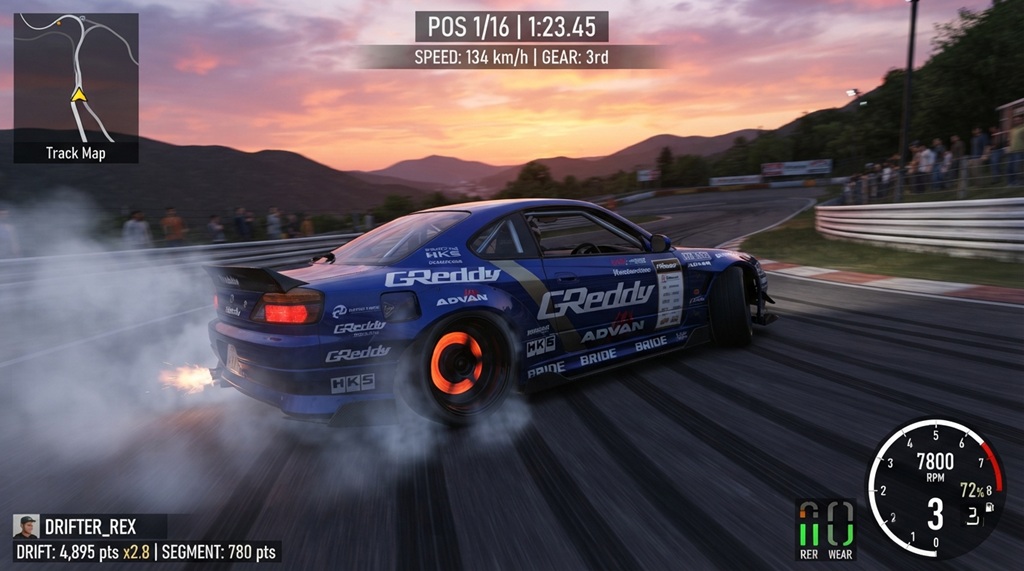
Structured practice builds drift skill faster than random laps around a track. These drills target specific weaknesses.
- Single-corner repetition: Pick one tricky corner and drift it 20 times in a row, adjusting only one variable each attempt.
- Figure-eight drills: Use an open area or custom track to drift a figure-eight pattern, which forces constant countersteer adjustments.
- Transition drills: Practice linking two drifts back-to-back through an S-curve to build the timing needed for real race tracks.
- Ghost lap comparison: Race against your own ghost lap and note exactly where drifting gains or costs you time.
A drift you can’t repeat isn’t a skill yet. Repetition under slightly varied conditions is what turns a lucky slide into a reliable technique you can use in competitive races.
Best Games and Modes to Practice Drifting
Some games are simply better suited for learning to drift than others, either because of their physics engine or their dedicated drift modes.
Assetto Corsa and its Competizione sequel offer realistic tire physics, which makes them excellent for learning genuine weight-transfer technique. Need for Speed titles and Forza Horizon lean more arcade-style, making drifting more forgiving for beginners while still rewarding good technique and if you ever transition to dark track environments, applying solid VR racing games night driving visibility enhancement tips can help you spot track limits and apexes much easier.
If your game has a dedicated drift mode or drift-scoring event, use it. These modes remove the pressure of racing against opponents and let you focus purely on angle, speed, and line…
Frequently Asked Questions
Is drifting actually faster than gripping through a corner in racing games?
It depends on the corner and the car’s physics model. In arcade-style games, a well-executed drift is often faster because of built-in drift boost mechanics. In simulation games, a clean grip line is usually quicker unless the drift is extremely well controlled.
What’s the easiest drift technique for beginners to learn first?
The weight-transfer (lift-off) drift is the easiest starting point. It doesn’t require precise handbrake timing and teaches you how weight shift affects grip, which is the foundation for every other technique.
Should I use a controller or a wheel to learn drifting?
Either works, but a wheel offers finer steering control, which helps with countersteer precision. A controller works fine for most players and is what the majority of competitive console drifters use.
Why does my car spin out every time I try to drift?
Spinning usually means you’re countersteering too late or applying too much initial input. Slow down your entry speed and practice smaller, more controlled slide angles before attempting sharper drifts.
Do drift settings differ between console and PC racing games?
The core techniques stay the same, but sensitivity settings often need separate tuning. PC players using a wheel typically need different steering rotation settings than console players using a controller or gamepad.
Conclusion
Drifting like a pro isn’t about flashy angles. It’s about controlled weight transfer, consistent entry speed, and knowing which technique fits which corner. Start with the weight-transfer drift, adjust your settings to remove fighting assists, and drill one corner until it becomes automatic.
Once the basics feel natural, layer in handbrake drifts, trail braking, and clutch kicks for the situations that call for them. Consistent practice, not raw talent, is what separates a pro drifter from someone who just slides around occasionally.