

You can play casual games for adults for free right now, no downloads or sign-ups required, through browser-based platforms, mobile app stores, and social media game hubs. These games are built specifically to be picked up in five minutes and put down without guilt, which makes them one of the simplest ways to decompress after work, during a commute, or right before bed.
The tricky part isn’t finding a casual game it’s finding one that actually helps you relax instead of pulling you into ads, pop-ups, or pay-to-win traps disguised as “free.” A lot of so-called free casual games quietly push microtransactions the moment you’re having fun, which defeats the whole point of playing something low-stakes.
This guide walks through where to find genuinely free casual games, which genres are best for unwinding, how to avoid the common traps, and a few underused tricks that make casual gaming a real stress-relief tool instead of another screen obligation.
What Makes a Game “Casual” (And Why It Matters for Adults)
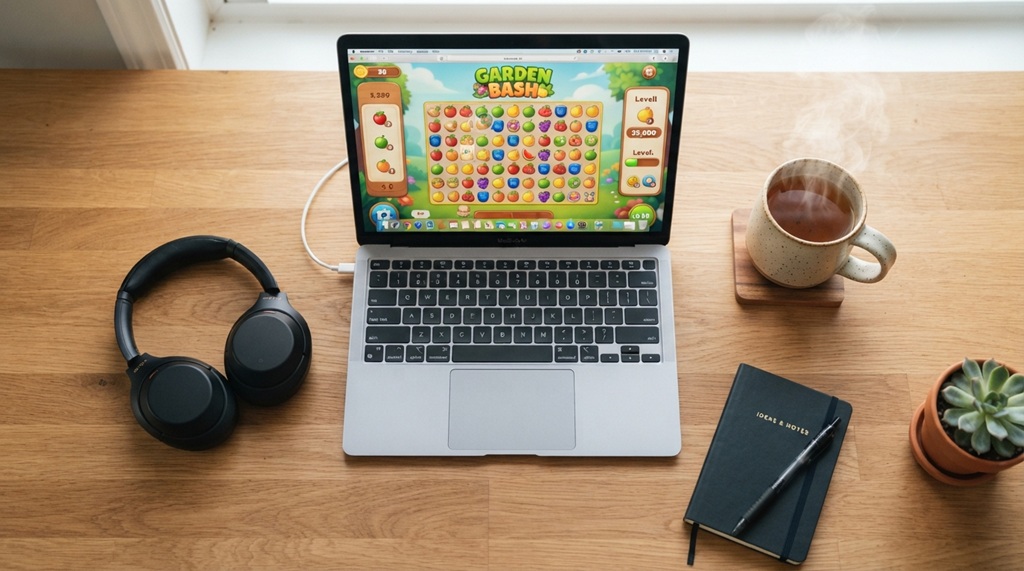
A casual game is one designed for short sessions, simple controls, and low commitment no steep learning curve, no punishing failure states, and no requirement to play daily to “keep up.” For adults specifically, this matters because most of us aren’t looking for a second job disguised as a hobby; we’re looking for a mental reset.
The defining traits of a good casual game are:
- Pick-up-and-play design – you can jump in without a tutorial marathon
- Short sessions – most rounds last 2–10 minutes
- Low failure penalty – losing doesn’t erase hours of progress
- No mandatory multiplayer pressure – you can play solo without being penalized
Games like match-3 puzzles, solitaire variants, word games, and simple simulation games all fit this mold. Compare that to competitive shooters or live-service RPGs, which are built around long sessions and constant engagement loops the opposite of what you want when the goal is to unwind.
Where to Find Casual Games for Adults Free of Charge
The best free casual games live in a few reliable places, and knowing where to look saves you from wading through low-quality clones.
Browser-Based Gaming Sites
Sites that host HTML5 games let you play instantly in a browser tab with zero downloads. This is ideal for a quick break at a desk job or during a lunch hour, since there’s nothing to install and nothing left behind afterward. Look for platforms with curated categories (puzzle, simulation, card games) rather than endless unsorted grids, since curation is usually a sign of better quality control.
Mobile App Stores
Both the Apple App Store and Google Play have dedicated “casual” categories that filter out heavier genres automatically. The advantage here is offline play many casual mobile games work without an internet connection, which makes them genuinely useful for flights, commutes, or waiting rooms.
Social and Messaging Platform Games
Some social platforms and messaging apps now host lightweight instant games you can play directly inside the app, often against friends asynchronously. These tend to be some of the most stress-free options because there’s no pressure to finish a match in real time you can take your turn and come back hours later.
Console and PC Storefront Free Sections
Major storefronts on PC and console regularly rotate free-to-play casual titles, and some permanently free games (like certain puzzle or card game ports) are worth bookmarking. These tend to have higher production value than browser games since they’re often scaled-down versions of paid titles.
Best Casual Game Genres for Unwinding (With Why They Work)
Not every “casual” game is actually relaxing some are casual in structure but stressful in design (looking at you, aggressive match-3 games with countdown timers). Here are the genres that consistently deliver on the relaxation promise.
Puzzle and Match Games
Puzzle and match games engage just enough cognitive bandwidth to detach your mind from daily stress without demanding the high-stakes focus that leads to mental fatigue. Tile-matching, jigsaw, and pattern-based challenges owe their popularity to a simple mechanism: they deliver consistent, low-effort micro-wins that instantly refresh your focus—and beyond serving as an effortless way to unwind after a demanding day, these titles also offer financial incentives through strategies on profit from best casual games to play online.
Card and Board Game Adaptations
Digital versions of solitaire, mahjong, and classic board games appeal to adults because the rules are already familiar there’s no learning curve, just muscle memory. These are especially good for winding down before sleep since they don’t involve flashing colors or urgent sound effects.
Simulation and Idle Games
Farming sims, city builders, and idle clicker-style games let you make slow, low-pressure progress at your own pace. According to industry experts who study game design, this genre’s appeal comes from giving players a sense of control and steady progress something that’s often missing from a stressful day without any risk of losing.
Word and Trivia Games
Word games offer a light mental workout that feels more like a mental palate cleanser than a challenge. They’re particularly good for adults who want something that feels slightly productive (learning a new word, testing general knowledge) while still being fundamentally relaxing.
How to Avoid Fake “Free” Games That Aren’t Really Free

The biggest frustration with casual gaming is downloading something labeled “free” only to hit a paywall five minutes in. A few checks before you commit can save you the irritation.
Check the Monetization Model Before Downloading
Look at recent user reviews specifically for mentions of forced ads or pay-to-progress walls this is usually the fastest way to spot a game that’s free in name only. Games that are genuinely free typically rely on optional cosmetic purchases rather than blocking core gameplay behind a paywall.
Watch for Energy or Lives Systems
Some games limit how many rounds you can play before forcing a wait timer or a purchase this is a common trick to convert casual players into paying ones. If unwinding is the goal, a game that tells you to stop playing (or pay) after three rounds works against you.
Prefer Ad-Light or Ad-Optional Formats
Games that let you choose to watch an ad for a bonus (rather than forcing one between every action) respect your time far more. This “opt-in” ad model is generally a good sign of a developer prioritizing player experience over aggressive monetization.
A Genuinely Useful Angle: Build a “Rotation,” Not a Favorite
Most advice about casual gaming stops at “find a game you like and play it.” A better approach for adults specifically is to keep a small rotation of 3–4 different casual games rather than committing to just one.
Here’s why this works better than it sounds: casual games lose their relaxing effect once they start feeling repetitive or, worse, once they start nudging you toward daily streaks and login bonuses that create obligation instead of relief. By rotating between a puzzle game, a card game, a simulation game, and a word game, you avoid the burnout that comes from overplaying a single title, and you sidestep the psychological pull of streak mechanics that turn a hobby into a chore.
A simple way to do this: pick one game per genre category above, and switch based on your mood rather than habit. Feeling mentally foggy after a long day? Go for the card game. Want something to do with your hands while listening to a podcast? Try the simulation game. This mood-based rotation keeps the games serving you, instead of the other way around.
Frequently Asked Questions
Are casual games actually good for stress relief, or is that just marketing?
Casual games can genuinely help with stress because their short sessions and low failure penalties reduce the mental load compared to more demanding games. The relief effect depends heavily on the specific game, though titles with aggressive timers or forced ads can undo the benefit entirely.
Do I need to create an account to play free casual games?
Many browser-based and mobile casual games let you play as a guest with no account required, especially for single-player modes. Accounts usually only become necessary if you want to save progress across devices or play with friends.
Are free casual games safe to download on mobile?
Sticking to official app stores (Apple App Store, Google Play) significantly reduces risk, since these platforms screen apps before listing them. Always check permissions requested during install a simple puzzle game asking for contacts or location access is a red flag worth investigating.
Why do some free games ask me to pay after a few levels?
This is a common monetization tactic where early levels are made deliberately easy and later ones are tuned to encourage purchases or ad views. Reading recent reviews before downloading is the most reliable way to spot this pattern ahead of time.
What’s the best time of day to play casual games to actually unwind?
Short sessions work well as transition points right after work, during a commute, or in the 15–20 minutes before bed. Avoid stacking multiple sessions back-to-back for hours, since even relaxing games can start to feel like screen fatigue past a certain point.
Conclusion
Playing casual games for adults free doesn’t require much beyond knowing where to look and what to avoid. Browser platforms, app store casual categories, and social gaming hubs all offer genuinely free options the key is checking monetization models before committing and choosing genres like puzzle, card, simulation, or word games that are actually designed to lower stress rather than raise it. Building a small rotation across a few genres, rather than sticking to one game until it feels like a chore, is the simplest way to keep casual gaming what it’s meant to be: an easy, pressure-free way to unwind.


