

The fastest way to find the best story-based adventure games is simple. Filter by three things: narrative depth, meaningful player choice, and critical praise for the writing itself. Most “best of” lists mix in games that are technically adventure titles but have thin, forgettable stories. If you want games that make you feel something, you need a sharper search process than typing “best adventure games” into a search bar.
This guide shows you exactly how to separate genuinely story-driven adventure games from games that just have a story attached. It covers where to look, which signals actually matter, and a few tricks that seasoned narrative-game fans use but rarely share.
Whether you’re new to the genre or you’ve burned out on generic open-world filler, the goal stays the same. Find games where the writing, characters, and choices are the main event, not an afterthought bolted onto combat or puzzles.
What Makes a Game “Story-Based” Versus Just “Story-Adjacent”
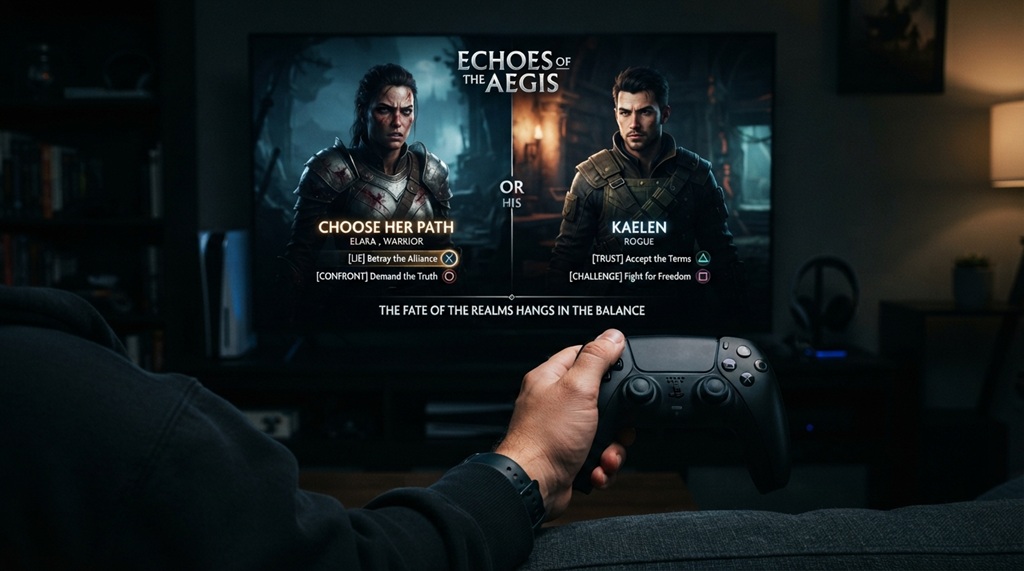
A story-based adventure game puts narrative decisions, dialogue, and character development at the center of how you play. It shapes what happens next, not just what you watch in cutscenes. Plenty of games have a plot. Fewer games have a plot that actually responds to you.
The Core Difference
Story-adjacent games use plot to justify the next level or boss fight. You could skip every cutscene and lose almost nothing except context. True story-based adventure games work differently. Skipping dialogue means skipping content that changes outcomes, relationships, or even your ending.
Signals to Look For
Check for these markers before you buy or download anything:
- Branching dialogue trees that lead to different scenes, not just different flavor text
- Multiple endings tied to choices made throughout the game, not just a final binary decision
- Character relationships that evolve based on how you treat them
- A world that reacts to earlier decisions later in the playthrough
If a store page or review skips all of these, the “story” is likely just set dressing.
Where to Actually Search for Story-Driven Adventure Games
The platform you search on changes the quality of results you get. Most people default to the least useful option first.
Storefront Tags Are a Starting Point, Not a Filter
Steam, GOG, and console storefronts let you filter by tags like “Story Rich” or “Narrative.” These tags help you cast a wide net, but the community applies them inconsistently. Plenty of games get tagged “story rich” simply because they include any dialogue at all. Treat these tags as a first pass, not a final list.
Curated Lists From Narrative-Focused Outlets
Sites and communities that cover narrative design tend to filter out weaker entries automatically, since their audience cares about writing quality first. Look for round-ups from outlets known for covering writing and story design, rather than general gaming news sites. These usually surface better picks than a generic top-10 article.
Community Recommendation Threads
Subreddits and forums dedicated to narrative games often beat algorithm-driven lists. Real players flag when a game’s story falls apart in the back half, something a marketing trailer will never tell you. Search a community for “best written” or “best narrative” instead of “best adventure game,” and you’ll often get a more honest list.
How to Evaluate Reviews Without Getting Misled by Hype
A high review score alone tells you almost nothing about story quality. You have to read what the score actually rewards.
Separate Gameplay Praise From Story Praise
Many reviews blend commentary on combat, graphics, and pacing into one overall score. A 9/10 review can focus almost entirely on satisfying combat, with one throwaway line about the plot being “fine.” Skim for reviewers who discuss dialogue writing, character arcs, or plot structure specifically. Skip past vague praise like “immersive world” or “gorgeous graphics,” which say nothing about the story.
Watch for Score Inflation on Sequels and Franchise Titles
Industry experts who track review trends note that franchise entries and sequels often receive inflated scores from built-in fan goodwill. This happens regardless of whether the writing actually improved. If reviewers praise a sequel’s story in nearly identical language to its predecessor’s, that’s often a copy-paste compliment rather than a genuine evaluation.
Check User Reviews for “Story Falls Apart” Complaints
Deadline pressure means critics sometimes miss third-act problems in their reviews. User reviews, especially ones written weeks after release, flag rushed endings and unresolved plot threads far more often.
Choosing Between Linear Narratives and Branching Choice Systems
Neither format beats the other objectively. The right pick depends on whether you want a tightly controlled story or one shaped by your own decisions.
Linear Story-Based Games
Linear narrative games still qualify as story-based even without branching paths, and they often deliver tighter pacing and stronger emotional payoffs. Writers can control every beat without accounting for player variance. If you want a story that lands with precision, pick a linear game.
Branching and Choice-Driven Games
Branching games trade some narrative polish for replayability and personal investment, since your choices genuinely shape outcomes. These games can feel messier in places, since writers can’t give every branch equal attention. But you get a sense of ownership over the story that linear games can’t match.
A Quick Way to Tell Which Type You’re Looking At Before Buying
Check the game’s achievement or trophy list on the store page. A long list of mutually exclusive achievements, like “Spared the villain” and “Killed the villain” as separate unlockable trophies, signals real branching rather than cosmetic choice.
The Insider Tactic: Follow the Writers, Not Just the Titles
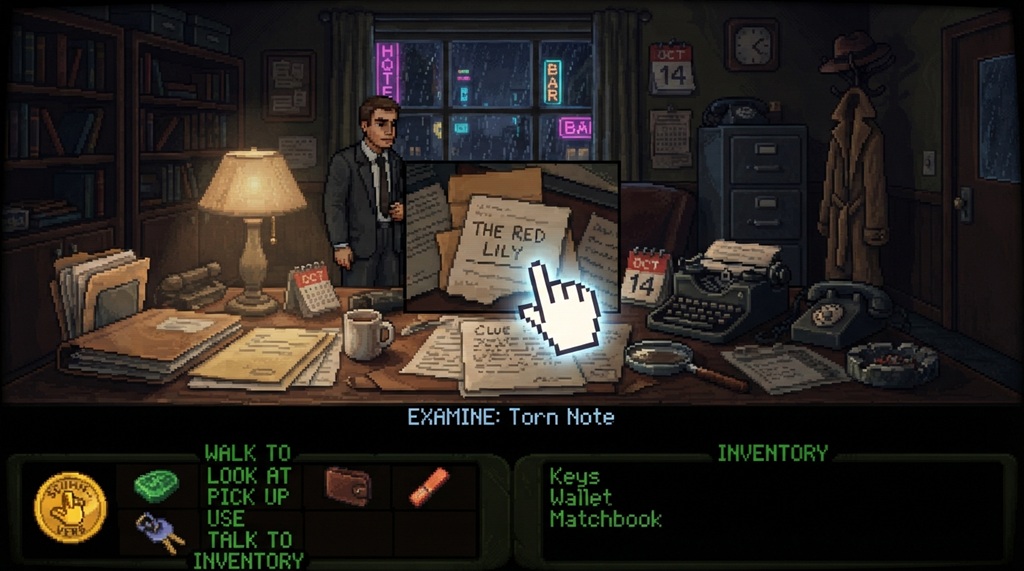
While standard search strategies rely on broad genre filters or platform tags, discerning players find true narrative gems by tracking individual writers and narrative directors—such as Amy Hennig or Jane Jensen—whose distinct literary signatures, thematic depth, and puzzle-driven storytelling carry seamlessly across different studios. If you appreciate this level of narrative craftsmanship and classic puzzle design, explore profit from point and click adventure games for free to turn your passion for story-rich gameplay into a practical advantage.
Why This Works Better Than Genre Searching
Genre tags tell you what mechanics a game uses. They say nothing about voice, pacing, or how a writer handles character. Two games can share a “story rich” tag and read like completely different authors wrote them. Searching by writer cuts straight to the thing that actually made you love a story in the first place.
How to Find the Writer Behind a Game You Loved
Look up the credits for any game whose story genuinely resonated with you. Search for the lead writer or narrative director by name, then check what other projects they’ve worked on. This trick works especially well for smaller or indie studios, where one writer often shapes the entire tone of the game.
The Trade-Off
This method takes longer than skimming a top-10 list. But it tends to produce recommendations that match your actual taste, not just a genre tag someone else assigned.
Budget and Platform Considerations Before You Commit
Story-based adventure games span an enormous price range. The most acclaimed titles aren’t always the most expensive ones.
Indie Titles Often Punch Above Their Price
Smaller studios can’t compete with AAA budgets on graphics or scale, so many pour disproportionate resources into writing instead. Writing becomes their main selling point. Check indie sections specifically rather than assuming quality writing only comes from big-budget releases. You’ll often find strong options at a lower cost.
Check Platform Availability Before Falling in Love With a Title
Not every acclaimed story-based game reaches every platform. Some stay console or PC exclusives for years after release. Confirm platform availability early in your search, so you don’t build a wishlist full of games you can’t actually play.
Wishlist Instead of Impulse-Buying
Add a game to your wishlist and wait for a sale. Narrative-game fans do this often, since story-based titles go on deep discount fairly regularly outside their launch window. Waiting also gives review consensus time to settle, since early reviews can run more forgiving than reviews written months later.
Frequently Asked Questions
What’s the difference between an adventure game and a story-based adventure game?
A standard adventure game focuses on exploration, puzzles, or mechanics as the main draw. A story-based adventure game centers its design on narrative, character development, and choices that affect outcomes. The plot becomes the main reason to play, not just a backdrop.
Are choice-based games actually different each playthrough, or is that just marketing?
It varies by game, so check this before you buy. Some titles offer meaningfully different scenes, dialogue, and endings based on your choices. Others funnel every path back to nearly identical outcomes with minor cosmetic differences. Achievement lists and community discussions usually clarify which type you’re getting.
Do story-based adventure games require good gameplay too, or can weak mechanics be forgiven?
Strong writing can carry a game further than strong mechanics can carry weak writing. But clunky controls or tedious pacing will still frustrate players no matter how good the story is. The best entries pair solid, unobtrusive gameplay with writing that doesn’t overstay its welcome.
Is it better to play story-based games alone, or is co-op narrative gaming worth exploring?
Most strong narrative experiences work best in single-player, since branching dialogue and pacing get easier to control without coordinating multiple players. A smaller number of co-op narrative games do exist, though, and they offer a genuinely different, more social way to experience a story.
How do I avoid spoilers while researching which story-based game to try next?
Stick to reviews and summaries that explicitly label themselves as spoiler-free. Avoid reading user reviews past the first paragraph, since spoilers often show up without warning further down. Searching “spoiler-free review” alongside the game’s name usually filters out the worst offenders.
Conclusion
Finding the best story-based adventure games comes down to knowing what to filter for before you start browsing. Look for real narrative branching over surface-level plot, reviews that actually discuss writing quality, and recommendation sources that prioritize story over spectacle. Storefront tags and generic top-10 lists work fine as starting points, but the strongest finds usually come from digging a little deeper. Check community discussions, follow writers you already trust, and give indie titles a fair shot alongside bigger releases. Once you know which signals actually matter, sorting the genuinely great story-driven games from the ones just wearing the label gets a lot easier.