
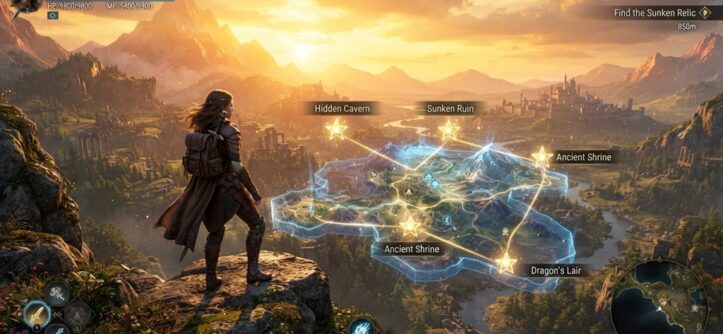
Finding every hidden secret in an open-world game comes down to three habits. First, slow your exploration pace. Second, learn the game’s visual language for hidden content. Finally, use the right mix of in-game tools and community resources.
Most players miss secrets for one simple reason: they move too fast. As a result, they rush past clues that developers placed on purpose. But once you know what to look for, secret-hunting stops feeling like luck. Instead, it starts feeling like a skill you can train.
Overall, this guide breaks down the habits, tools, and techniques that dedicated completionists use. For example, you’ll learn how to spot hand-placed easter eggs and how to find hidden areas that never show up on the map. So whether you want a 100% completion trophy or you just hate missing something cool, these methods will change how you explore.
Why Open-World Games Hide So Many Secrets
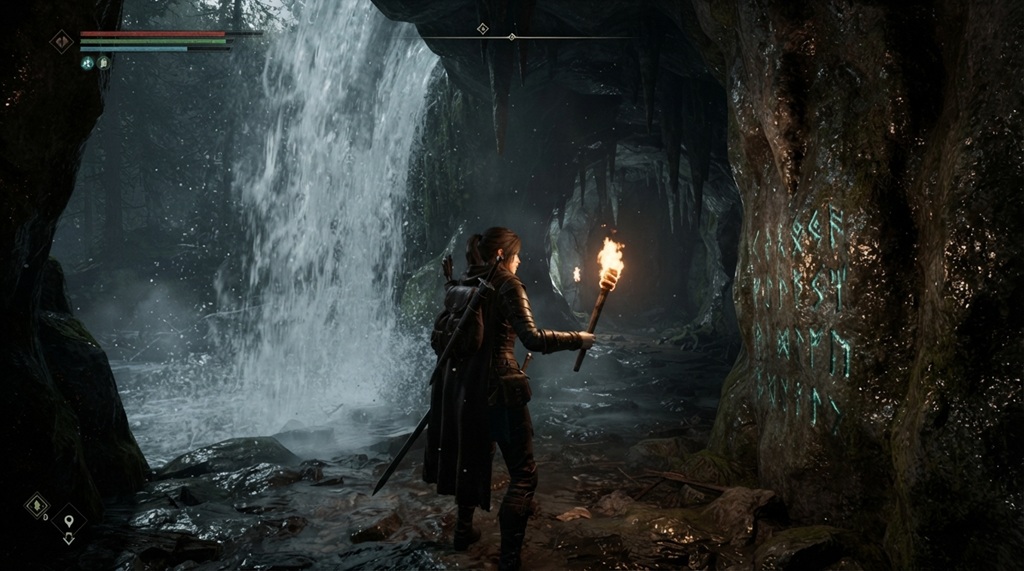
To begin with, developers hide secrets to reward curiosity. In addition, they want to slow you down so you actually experience the world they built. After all, a game that pushes you from one objective marker to the next wastes hundreds of hours of art and level design. That’s why hidden content exists: to pull your eyes off the compass.
Generally, most secrets fall into a few categories:
- First, collectibles: currency, crafting materials, and cosmetic items.
- Second, lore objects: notes, audio logs, and environmental storytelling.
- Third, gameplay unlocks: new abilities, weapons, and companions.
- Finally, easter eggs: developer jokes, references, and hidden rooms with no mechanical purpose.
Overall, knowing which category you’re hunting changes how you search. For instance, lore objects tend to cluster near story beats, while gameplay unlocks often need a skill or item you only get later in the game.
Master the Art of Reading Environmental Clues
Above all, environmental clues are the most reliable sign of a hidden secret. Once you learn to spot them, the skill transfers to almost every open-world game you play. So if something looks slightly “off,” a designer probably put it there on purpose.
Look for Visual Inconsistencies
For starters, watch for cracked walls, oddly placed rock piles, or vines covering a suspiciously flat surface. Also, look for a patch of ground with a different texture than its surroundings, since that’s a classic secret-area marker. Generally, designers rarely add visual noise without a reason. Therefore, anything that breaks the pattern deserves a closer look.
Follow Unnatural Paths
First, look for a ledge that seems just a bit too climbable. Similarly, watch for a narrow gap between rocks or a tree branch positioned like a bridge, since these usually lead somewhere hidden. In short, if a path feels “designed” instead of natural, that’s usually because it is.
Listen for Audio Cues
Additionally, many games use subtle audio changes to signal a nearby secret. For example, you might hear a shift in ambient music, a faint chime, or a directional sound effect. Because of this, playing with headphones instead of TV speakers helps you notice far more of these cues.
Use In-Game Tools Before You Reach for a Guide
To start, most open-world games already give you the tools to find secrets, so you don’t actually need a walkthrough. If you use these tools fully, you’ll boost your discovery rate fast. In fact, skipping them is the top reason players think a game is “too big to 100%.”
- First, detection abilities: Many games include a scan, sense, or vision mode that highlights nearby interactable objects, so use it constantly, not just when you’re stuck.
- Next, map filters and legends: Explore every filter option on your map, because some secrets only appear as icons after you unlock a specific ability or reach a certain story point.
- Also, companion or NPC hints: Party members and townsfolk often drop hints about nearby secrets, so if you skip their dialogue, you’ll miss them.
- Finally, fast travel point discovery: New fast travel nodes often reveal hidden sections of the map once you activate them, so unlock them early to open up more of the world.
Methodical Sweep vs. Random Wandering
Uncovering every secret across a vast open world requires structure, not chance. By establishing a methodical exploration route that covers the entire map rather than sticking to primary quest lines, you ensure no hidden alley or unmarked cave goes unnoticed. If you appreciate this level of detailed discovery and narrative intrigue, play text-based adventure games online provides a classic, text-driven outlet where environmental clues and player choice drive every secret you uncover.
Clear Areas in a Grid Pattern
Instead of beelining toward quest markers, move through each region in a loose grid or spiral pattern. As you go, check the edges of the map and any unmarked buildings along the way. Typically, developers hide content in edges and corners, since players rarely stumble into them naturally.
Revisit Areas After Gaining New Abilities
Actually, most “missable” secrets aren’t missable at all. Instead, they just need an ability, tool, or companion you don’t have yet. So, keep a mental or written list of areas that felt blocked off, then circle back after major story or skill milestones.
Use High Vantage Points
To start, climb towers, mountains, or tall buildings to survey the area below. This trick still works because most games are built with sightlines in mind. Meanwhile, as you scan the horizon, look for anything that doesn’t blend in. Usually, unusual structures, light sources, or color breaks mark something worth investigating.
Tap Into Community Knowledge Without Spoiling the Fun
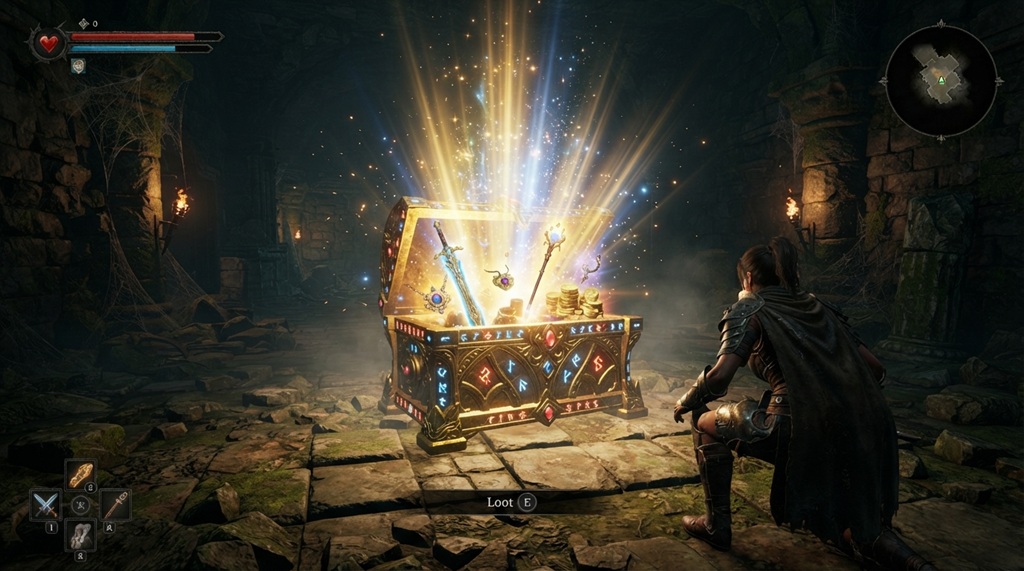
Undoubtedly, community resources can speed up your secret-hunting a lot. However, how you use them matters just as much as whether you use them. Ultimately, the goal is to fill gaps in your own exploration, not to replace it.
Here’s an angle most guides skip: use interactive community maps only in “confirmation mode.” First, explore a region fully on your own. Then, check the map afterward to see what you missed, rather than following it step-by-step from the start. This way, you keep the thrill of discovery intact, and at the same time, you train your own secret-spotting instincts far faster than following a checklist ever will. Most guides, on the other hand, just tell you to “use a map,” which quietly turns exploration into a chore.
Beyond interactive maps, forums and video breakdowns also help with secrets that need an obscure trigger. For instance, that could be a specific time of day, a rare weather event, or an item combination you’d never stumble into on your own.
Take Advantage of Accessibility and Photo Mode Features
Surprisingly, photo mode and accessibility settings are secret-hunting tools that most players overlook. Even though developers rarely designed them for this purpose, they still work well. For example, if you zoom in with photo mode’s camera, you can spot distant details like a glint of light, an odd silhouette, or a barely visible structure.
Similarly, colorblind modes and high-contrast settings can also make hidden objects easier to spot, since these settings boost the visual distinction between elements. So, even if you don’t need them for accessibility reasons, try toggling them briefly while exploring a suspicious area. As a result, you might catch something the standard color palette was hiding.
Common Mistakes That Cause Players to Miss Secrets
Overall, most missed secrets trace back to a handful of repeatable habits. Fortunately, fixing these can improve your completion rate fast.
- First, fast traveling too early: If you skip the walk or ride between locations, you also skip every secret along the route.
- Second, ignoring side paths near objectives: Quest markers train you to walk in a straight line, but the areas just off that line are exactly where designers expect you to wander.
- Third, ending exploration too soon: Many games place secrets in areas that only “open up” after the main story ends, so late-game and post-game exploration often reveals entirely new content.
- Finally, not checking indoors: Basements, attics, and back rooms stay under-explored compared to open outdoor areas, yet they hide a disproportionate number of secrets.
Frequently Asked Questions
Do all open-world games hide secrets the same way?
No, hiding methods vary a lot by genre and studio. For example, some games lean on environmental storytelling, while others rely on platforming challenges to reach secret areas. So, if you learn a game’s “design language” in its first few hours, the rest of the map gets much easier to read.
Is it worth using a 100% completion guide from the start?
Overall, it depends on your goals. If you want the thrill of discovery, save guides for confirmation after your own exploration. But if you just want full completion fast, a guide from the start will save time. Most completionists, however, explore first and use guides only for backtracking.
Why do I keep missing secrets even in areas I’ve already explored?
Usually, this means the secret needs an ability, item, or story flag you didn’t have during your first visit. That’s why revisiting cleared areas after major progression points is one of the most effective ways to catch these.
Do developers ever add new secrets after launch?
Yes, some games add hidden content through post-launch updates or seasonal events, especially in live-service titles. So, it’s worth checking patch notes now and then, since they can alert you to new areas or items worth hunting down.
Does playing on a harder difficulty affect secret discovery?
Generally, no, since secret placement almost always ties to exploration and story progress rather than combat difficulty. That said, some games do lock specific secrets behind optional hard-mode challenges, so check the specific game’s design if you’re chasing full completion.
Conclusion
Ultimately, finding every hidden secret in an open-world game isn’t about luck or hours spent on a wiki. Instead, it’s about training yourself to notice the visual, audio, and environmental cues developers left behind on purpose. So, build a deliberate exploration routine, use your in-game tools fully, and save community guides for filling gaps rather than leading the way. Do this consistently, and full completion stops feeling like a grind. Instead, it starts feeling like the natural result of paying attention to the world you’re playing in.