You can profit from point and click adventure games without spending a dime upfront by streaming playthroughs, writing reviews, creating walkthroughs, joining game jams, or building your own game with free tools. None of these paths require you to buy expensive software or pay for a game engine license — the genre’s slower pace, puzzle-driven design, and dedicated fanbase make it one of the more approachable niches for someone starting from zero.
Point and click adventure games have a strange advantage in 2026: they’re not chasing the latest graphics trends, so the barrier to entry — for players and creators alike — stays low. That’s exactly why this niche keeps producing income opportunities that bigger, flashier genres don’t offer as easily.
This guide walks through the realistic, low-cost (often free) ways gaming community members are turning their love of point and click adventures into actual income, plus the mistakes that trip up most beginners.
Why Point and Click Adventure Games Are Still Profitable in 2026
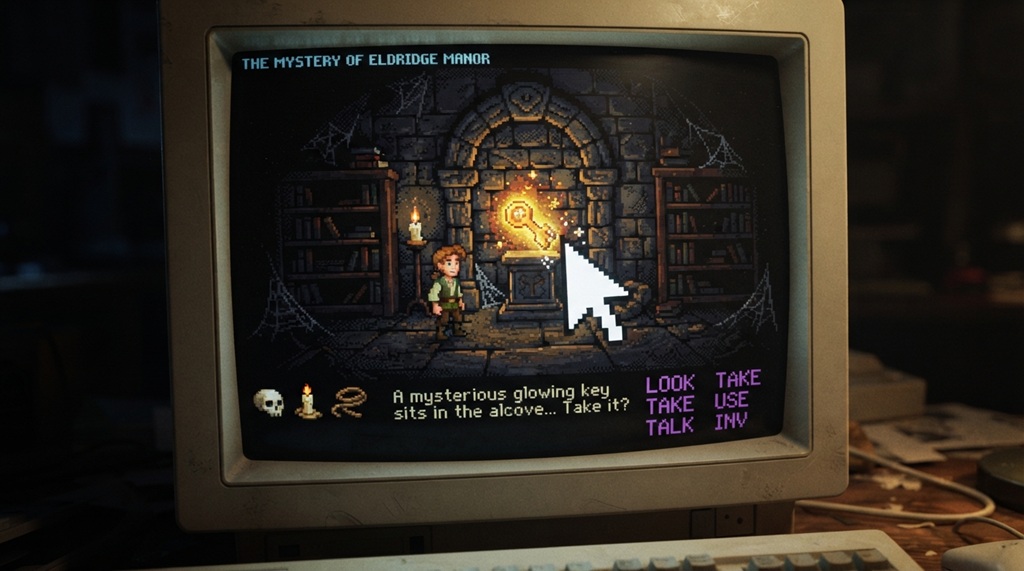
Point and click adventures remain profitable because they have a small but intensely loyal fanbase that spends money on niche content, plus a low technical barrier that lets new creators enter without big budgets. This combination is rare in gaming.
Unlike shooter or battle royale genres where audiences chase the newest release, adventure game fans revisit classics, follow indie developers closely, and actively seek out walkthroughs, lore breakdowns, and community discussions. That means demand for content around these games doesn’t disappear a month after launch — it can last for years.
The Genre’s Built-In Advantages for Creators
- Puzzle-based gameplay naturally invites written and video guides, which are two of the easiest content formats to monetize.
- Story-driven titles create room for commentary, theory videos, and narrative analysis — content types with strong watch-time and read-time, both of which platforms reward.
- Free and low-cost engines like Adventure Game Studio, Ren’Py, and Godot let anyone build a playable game without licensing fees.
Streaming and Creating Video Content Around Free Point and Click Games
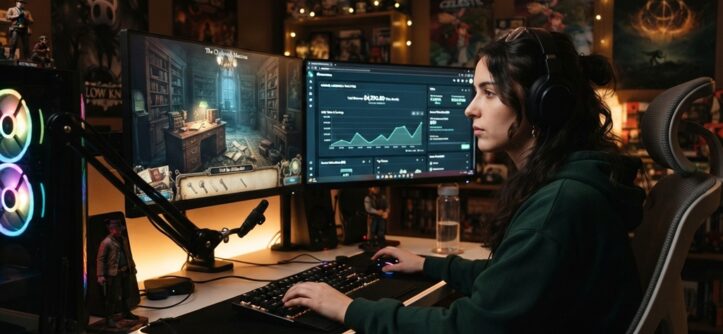
Streaming or recording free point and click games is one of the fastest ways to start earning because it needs no coding skill and almost no budget — just a screen recorder and a game to play. Many acclaimed titles in the genre, including a long list of indie and freeware releases, cost nothing to download and play.
To turn this into income, focus on games that reward commentary — puzzle logic, dialogue choices, hidden object hunts — since that’s what keeps viewers watching rather than skipping ahead. Platforms like YouTube and Twitch pay through ad revenue, subscriptions, and tips once you meet their eligibility thresholds, and adventure game audiences tend to watch longer sessions than fast-paced genres, which helps with watch-time metrics.
Choosing the Right Games to Stream
Not every free adventure game builds an audience. Look for titles with an active online discussion around them (Reddit threads, Discord servers, itch.io comment sections) — that’s a signal there’s already an audience hungry for content about that game. New freeware releases on itch.io, in particular, are often under-covered, meaning less competition for your video showing up in search results.
Building a Series Instead of One-Off Videos
A single playthrough video rarely earns much. A structured series — Episode 1, Episode 2, and so on — trains viewers to come back, which compounds your watch time and subscriber growth over weeks instead of one video’s lifespan.
Writing Walkthroughs, Guides, and Reviews
These written guides generate money primarily through blog ad revenue, affiliate links, and freelance writing assignments—costing nothing but time to produce. Point-and-click titles are notoriously puzzle-heavy, leaving players stuck often and sending them straight to search engines for help. Because a massive segment of this audience searches for solutions while playing on restricted devices during downtime, studying how to playadventure games unblocked at school offers crucial insight into how players bypass local network filters to access browser games and walkthroughs.
Where to Publish Written Content for Free
- A free blog on Blogger, WordPress.com, or a Medium publication removes hosting costs entirely while you test whether an audience wants your content.
- Gaming wikis (Fandom and similar platforms) let you contribute walkthroughs and sometimes offer contributor programs or ad-revenue sharing.
- Guest posts on established gaming sites can pay directly or build the portfolio you need to land paid freelance writing work later.
Turning Reviews Into an Income Stream
Reviews monetize differently than walkthroughs — instead of ranking for “how to solve,” they rank for “is [game] worth playing” or “[game] review,” which attracts readers closer to a buying decision. Adding affiliate links to where the game can be purchased (when it isn’t free) or linking to the developer’s storefront page can generate commission income once you build enough traffic.
Entering Game Jams to Build a Portfolio and Prize Money
Game jams let you create a small point and click game for free using open-source tools, and many jams award cash prizes or exposure that leads to paid work. Events like Adventure Jam and the broader itch.io game jam calendar are specifically built around short-format adventure and puzzle games, making them a natural fit for this niche.
Because jams run on tight timelines (usually 48 hours to a few weeks), you don’t need years of development experience — you need a small, complete idea and a free engine like Adventure Game Studio, Godot, or Twine (for narrative-heavy entries). Finishing and submitting a playable game, even a rough one, does more for your visibility than an unfinished “big” project sitting on your hard drive.
What You Actually Gain From a Game Jam
- Prize money — not every jam pays, but many offer cash or store credit for top entries.
- A portfolio piece — a finished jam game is proof of skill that freelance clients and employers can see and play.
- Direct feedback — jam communities playtest and comment on entries, which sharpens your design skills faster than solo development.
Modding, Fan Content, and Community-Driven Income

Creating mods, fan translations, or bonus content for existing point and click games can generate tips, commissions, and reputation within a game’s community, and most modding tools for this genre are free to use. Classic point and click titles with active fan communities — the LucasArts and Sierra catalogs are the most cited examples — still see fan patches, HD mod packs, and translation projects released regularly.
Developers of newer indie adventure games are often more open to fan involvement than big studios, since a small, loyal fanbase is valuable to them. Reaching out respectfully to offer a translation, a fan wiki, or promotional fan art can lead to paid commission work, early access to future titles, or a spot on the credits that boosts your visibility.
A Genuinely Underused Angle: Accessibility Content
One angle almost nobody covers is creating accessibility guides and mods — colorblind-friendly puzzle hint overlays, text-to-speech patches, or simplified control schemes for players with motor impairments. The point and click genre leans heavily on visual puzzle-solving and precise clicking, which creates real friction for some players. Very few creators address this gap directly, meaning less competition and a strong chance of being noticed (and thanked, and sometimes paid) by developers who want their game to reach a wider audience.
Building and Selling Your Own Point and Click Game With Free Tools
You can build a complete point and click adventure game using entirely free software — Adventure Game Studio, Godot, Ren’Py, or Twine — and sell it on platforms like itch.io with no upfront listing fees. Adventure Game Studio in particular was purpose-built for this genre and has powered dozens of commercially released indie titles.
The realistic path here is small and iterative: build a short, free demo first, use it to gather a mailing list or Discord community, then release a paid full version once you have proof that people want more. Pricing your first game low (or offering it “pay what you want” on itch.io) tends to build a bigger audience than pricing high out of the gate, which matters more for a first release than maximizing per-copy revenue.
Common Mistakes First-Time Adventure Game Developers Make
- Trying to build a huge, sprawling story before finishing a small complete game — a short, polished title outperforms an ambitious, unfinished one every time.
- Ignoring puzzle difficulty testing, which leads to players quitting in frustration and leaving negative reviews that hurt long-term sales.
- Underestimating the value of a demo — a free, short demo is one of the strongest free marketing tools available to an indie adventure game developer.
Frequently Asked Questions
Do I need to know how to code to make money from point and click adventure games?
No. You can profit through streaming, writing guides, or reviews without any coding skill at all. If you do want to build your own game, tools like Adventure Game Studio and Twine are designed for people with little or no programming background.
Which free point and click games are best for starting a YouTube channel?
Look for freeware or itch.io titles that already have some online discussion around them, since that shows existing demand. Newer indie releases with active Discord servers are often easier to break into than oversaturated classic titles that thousands of channels have already covered.
How long does it take to start earning money this way?
Written walkthroughs can start generating small ad revenue once a site has consistent traffic, which often takes a few months of regular publishing. Streaming and video income typically depends on reaching platform-specific eligibility thresholds, which also generally takes sustained, regular uploads over several months rather than a single viral video.
Is it realistic to make a full-time income from this niche alone?
For most people, this starts as supplemental income rather than a full-time replacement, especially in the first year. Creators who combine multiple streams — for example, walkthrough writing plus a small paid game release — have a more realistic shot at meaningful income than relying on just one method.
What’s the biggest mistake beginners make in this space?
Spreading effort across too many platforms and content types at once, instead of going deep on one method until it gains traction. Picking one path — streaming, writing, or game development — and sticking with it consistently for several months tends to outperform doing a little of everything.
Conclusion
Profiting from point and click adventure games doesn’t require money upfront — it requires picking one method, whether that’s streaming, writing guides, entering a game jam, contributing to a modding community, or building a small game with free tools, and sticking with it long enough to build an audience. The genre’s loyal, puzzle-loving fanbase and low technical barrier make it one of the more forgiving niches in gaming for someone starting from scratch. Start small, finish what you start, and let the niche’s built-in community do some of the promotional work for you.