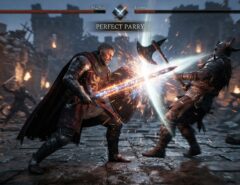
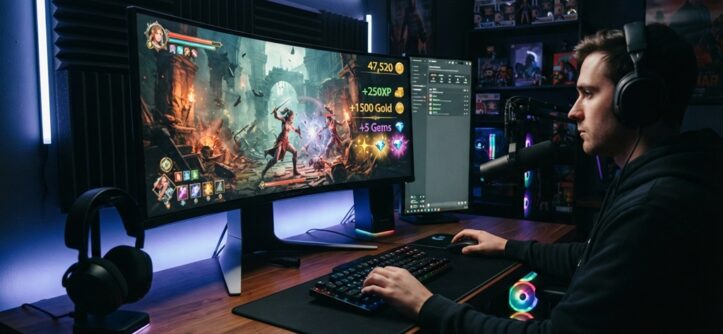
You can profit from the best action games online free by turning your gameplay into income through streaming, content creation, competitive tournaments, and skill-based side hustles — not by expecting the games themselves to pay you directly. Free-to-play action games have created real opportunities for players who treat their skills strategically, but the money comes from what you build around the game, not from the game handing out cash.
This distinction matters. A lot of articles promise vague “get paid to play” schemes that don’t hold up once you dig into them. What actually works is more grounded: free action games are low-cost training grounds, audience magnets, and skill-testers that can be converted into income if you approach them the right way.
Below, you’ll find the realistic paths gamers actually use to turn free action games into a source of income, along with the pitfalls to avoid and questions people commonly ask before getting started.
Why Free Action Games Are a Smart Starting Point
Free action games let you build skill, reputation, and an audience without spending money upfront, which lowers the risk of trying to monetize gaming at all. Since there’s no entry cost, you can test whether a game and its community are worth investing serious time in before committing anything financial.
Lower Barrier to Entry Means Faster Experimentation
Because you’re not locked into a purchase, you can try several free action games — shooters, battle royales, hack-and-slash titles — and see which one you’re genuinely good at or enjoy watching content for. Monetization tends to follow whichever game you can sustain enthusiasm for over months, not weeks.
Free Games Often Have the Biggest Audiences
Titles with free access typically have larger, more active player bases than premium games, simply because more people can join without a financial commitment. A bigger player base means more potential viewers, teammates, and competitors — all of which matter if your profit strategy depends on an audience.
Streaming and Content Creation as a Revenue Source
The most common way gamers profit from free action games is by streaming or recording gameplay and monetizing the audience they build, not the game itself. Platforms pay creators through ad revenue, subscriptions, tips, and sponsorships — the game is simply the content vehicle.
Building an Audience: High Skill vs. Magnetic Personality
You don’t need pro-level esports reflexes to build a profitable audience around online action games. While high-level gameplay gets initial clicks, lasting creators win viewers over with entertaining commentary, clear strategy, and absolute consistency. Industry experts agree that sticking to a reliable stream schedule accelerates early channel growth far more than raw talent alone. But sustaining that grind takes physical endurance, whether you’re behind a desk or moving in a motion setup—which is why reviewing safety first! Live action gaming gear: Gear up for maximum fun is essential for staying comfortable, protected, and fully focused through your longest streams.
Diversifying Income Streams Beyond Ads
Relying solely on platform ad revenue is risky since rates fluctuate and payouts are often small until you have a sizable audience. Successful creators typically layer in options like viewer subscriptions, one-time tips, affiliate links for gaming gear, and sponsored segments once they’ve built enough trust with their audience.
Competing in Tournaments and Esports Events
You can profit from free action games by entering ranked ladders, community tournaments, or amateur esports brackets that offer cash prizes or sponsorship exposure. Many popular free-to-play action titles have built-in competitive scenes precisely because zero cost to enter makes the player pool larger and more competitive.
Starting With Community and Amateur Tournaments
Before chasing major esports contracts, most profitable competitors start with smaller community-run tournaments, which often have modest entry requirements and are easier to place in. These smaller events also help you build a track record and reputation within the game’s community, which matters if you later want sponsorships or a team invite.
Understanding That Consistency Beats One Big Win
A single tournament win rarely translates into sustainable income; what actually pays off is a consistent placement record that attracts sponsors, team recruiters, or coaching opportunities. Treat tournaments as a long-term reputation-building strategy rather than a lottery ticket.
Turning Gaming Skill Into Coaching and Freelance Work
If you’re highly skilled at a specific free action game, you can profit by offering coaching, strategy guides, or freelance content writing related to that game. This path doesn’t rely on luck or algorithm changes — it relies on demonstrable expertise that other players are willing to pay for.
Offering Paid Coaching or Strategy Sessions
Many gamers pay for one-on-one coaching to improve their rank or mechanics faster, especially in competitive shooters and action titles with steep skill curves. Coaching platforms and Discord communities are common places where this kind of freelance arrangement gets set up, often on a per-session basis.
Writing Guides, Wikis, or Walkthroughs
Gaming websites, wikis, and content platforms frequently pay for well-researched guides on popular free action games, particularly around major updates or new character releases. This is a solid option for players who understand the game deeply but don’t necessarily want to be on camera or in a livestream spotlight.
Affiliate Marketing and Sponsorship Opportunities
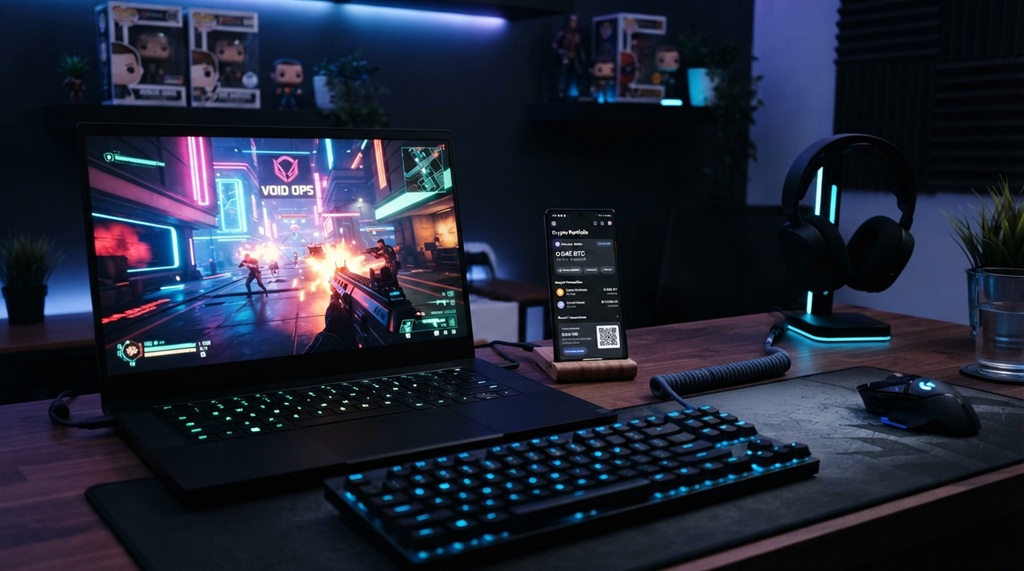
Once you’ve built even a modest audience through a free action game, affiliate marketing and small sponsorships become realistic income sources. Companies selling gaming peripherals, chairs, software, or even other games often pay creators a commission or flat fee for exposure to a relevant audience.
Starting Small With Affiliate Links
You don’t need millions of followers to start affiliate marketing — many gear brands run affiliate programs open to creators with modest but engaged audiences. The key is relevance: recommending products you actually use during gameplay tends to convert better than generic promotion.
Approaching Sponsors the Right Way
Rather than waiting to be discovered, many successful creators proactively reach out to smaller, niche-relevant brands with a simple media kit showing their audience size, engagement, and content style. Brands are often more responsive to direct, well-prepared pitches than people assume.
A Realistic Angle Most Articles Skip: Treat Your Free Game Time as a Portfolio, Not Just Play
Most guides on this topic focus only on streaming or tournaments, but one underused strategy is documenting your free action game sessions as a public portfolio — even before you’re “good enough” to monetize directly. Recording clips of clutch plays, strategic decisions, or even losses with commentary on what went wrong creates a body of evidence that skill-based employers, teams, and coaching clients actually look at.
This matters because hiring managers at gaming companies, esports orgs, and content agencies increasingly ask for gameplay samples or clip reels as part of applications — not just resumes. Treating your free-to-play sessions as an ongoing portfolio, organized and searchable, gives you something tangible to show when an opportunity appears, rather than starting from zero when you decide it’s time to monetize.
Common Mistakes That Prevent Gamers From Profiting
Many players stall out because they chase the wrong monetization method for their strengths, or expect income far sooner than is realistic. Recognizing these mistakes early can save months of wasted effort.
Expecting Fast Results Without an Audience
Monetization tools like ad revenue or sponsorships require an existing audience or reputation — trying to activate them before you have either usually leads to disappointment. Build the audience or the skill reputation first; the monetization tends to follow naturally once you do.
Spreading Effort Across Too Many Games at Once
Jumping between multiple free action games to “see what sticks” can prevent you from building the depth of skill or content history needed to stand out in any single one. Most profitable creators and competitors specialize, at least initially, before branching out.
Frequently Asked Questions
Can you actually make real money playing free action games?
Yes, but the money typically comes from streaming, content creation, tournaments, coaching, or affiliate marketing built around the game — not from the game itself paying you to play. It requires ongoing effort, not just casual play time.
How long does it take to start earning from gaming content?
It varies widely, but according to industry experts, most creators need several months to a year of consistent content before seeing meaningful income. Progress depends heavily on niche, consistency, and platform algorithm changes.
Do I need expensive equipment to start streaming free action games?
No — many creators start with a basic laptop or console setup and upgrade gradually as their audience and income grow. What matters more early on is consistency and content quality over gear.
Is entering esports tournaments worth it if I’m not a top-tier player?
Yes, smaller community tournaments are a good way to build experience, reputation, and connections even without elite skill. They’re also useful for building the kind of portfolio that can lead to coaching or team opportunities later.
What’s the biggest mistake new gamers make when trying to profit from free games?
The most common mistake is expecting quick income before building an audience, skill reputation, or content portfolio. Monetization tools generally require some existing traction before they produce meaningful earnings.
Conclusion
Profiting from the best action games online free isn’t about finding a hidden shortcut inside the game — it’s about strategically building an audience, skill reputation, or portfolio around your gameplay, then monetizing that through streaming, tournaments, coaching, guides, or affiliate partnerships. The players who succeed treat free games as a foundation for a broader gaming-related income strategy, not a direct paycheck. Start by choosing one game to focus on, document your progress consistently, and layer in monetization options as your audience or skill level grows.