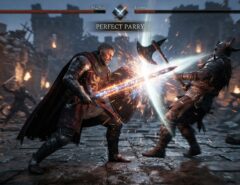

You can beat a hard boss on your first try. It takes the right prep, not just fast reflexes. Most players rush in blind and die in seconds. Then they repeat the same mistakes for hours.
This guide flips that script. You’ll learn how to study a boss before you fight it. You’ll learn what to practice first. You’ll also learn the small habits that separate a one-shot win from a ten-hour grind.
Follow these steps in order. Skip nothing. Each one builds on the last.
Watch the Fight Before You Play It
Watching a boss fight first is the single biggest first-try win booster. It costs you nothing but a few minutes.
Search for a video of the boss on YouTube. Pick a clip where the player wins clean. Watch their movement, not just the damage numbers. Note when they dodge, when they attack, and when they back off.
What to Look For While Watching
- Attack patterns: Does the boss repeat a three-hit combo? Does it change behavior at 50% health?
- Tells: A tell is a visual cue before an attack lands, like a wind-up animation or a glow.
- Safe zones: Some arenas have spots where certain attacks can’t reach you.
- Phase changes: Many bosses shift tactics once their health drops below a threshold.
Skip videos with heavy commentary. You want clean footage, not jokes over the action. A silent or lightly narrated clip works best.
Master Boss Attack Telegraphs to Predict Every Strike
Every formidable boss advertises its most devastating abilities through subtle animation cues, audio triggers, or visual flashes right before striking. By prioritizing observation over reckless aggression during your initial clash, you can easily turn an seemingly impossible one-shot technique into a completely predictable, easily dodged attack window. Mastering these subtle signals lets you dictate the pace of the battle from the start, and you can elevate your reflexes further by learning master fast action combat and never miss a hit.
How to Train Tell Recognition
- Watch one attack animation on repeat in a video, if possible.
- Say the tell out loud in your head as it happens (“wind-up, now dodge”).
- In your first live attempt, focus only on that one attack. Ignore everything else.
- Add the next tell once the first one feels automatic.
This method builds pattern recognition fast. According to industry experts in game design, telegraphed attacks exist specifically so skilled players can learn and counter them. The boss isn’t cheating. It’s teaching you its rhythm.
Set Up Your Gear and Build Before the Fight
Your loadout matters as much as your reflexes. A weak build turns a fair fight into an unfair one.
Check guides or community forums for the boss you’re facing. Players often share which weapon types, elements, or stats work best against specific enemies. A fire-weak boss dies faster to a fire weapon, for example.
Quick Pre-Fight Checklist
- Equip gear that counters the boss’s element or weakness, if the game has one.
- Bring healing items or spells, and bring more than you think you need.
- Check your gear’s durability or ammo count before you enter the arena.
- Remove any equipment that slows your dodge or roll speed.
- Level up just enough to survive two or three hits, not just one.
Skipping this step is the most common reason players die fast on their first attempt. Good gear buys you room to learn the fight.
Practice the Movement, Not Just the Damage
Dodging and spacing win fights more than raw damage output does. Many players focus only on hitting hard. That’s a mistake.
Learn your character’s dodge timing in a safe area first. Every game has slightly different dodge windows and invincibility frames. Test yours against a weak enemy before you face the boss.
Movement Habits That Prevent Deaths
- Dodge slightly early rather than late. Late dodges get punished more often.
- Keep distance during a boss’s combo strings, then close in during openings.
- Avoid greedy extra hits. One extra swing often costs you a dodge window.
- Circle around the boss instead of backing straight away, since backing up often traps you against a wall.
Once your movement feels natural, damage output stops being the bottleneck. The fight becomes about patience.
Use the Environment to Your Advantage
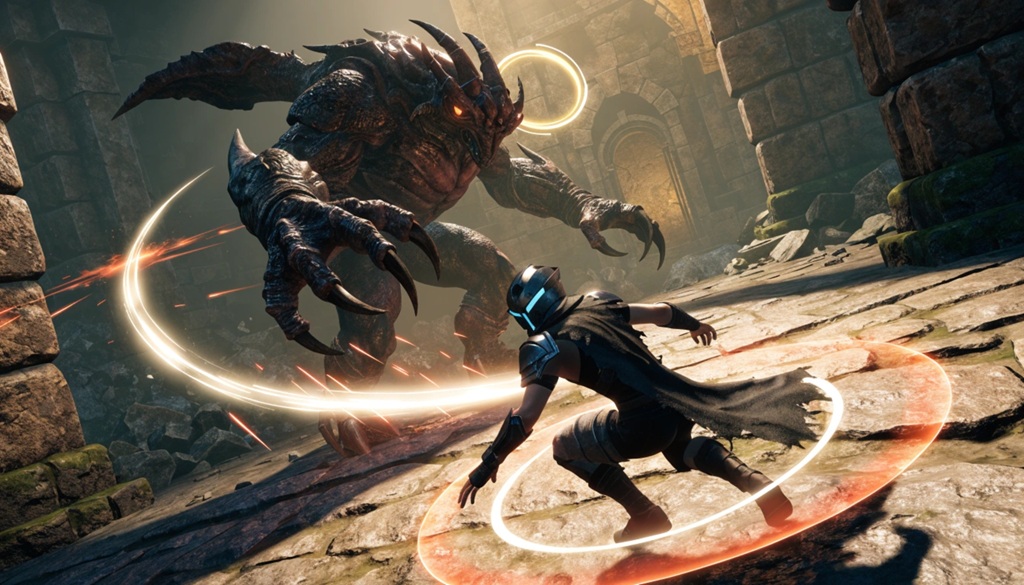
Boss arenas often hide tools that make the fight easier. Ignoring the environment wastes free advantages.
Look for exploding barrels, high ground, narrow chokepoints, or breakable objects. Some games let you drop hazards on the boss or use terrain to block line-of-sight attacks.
Before you engage, take thirty seconds to walk the arena’s edges. Note any items, levers, or terrain features. This small scan often reveals a shortcut that trivializes part of the fight.
Manage Your Mindset During the Attempt
Panic causes more deaths than bad mechanics do. A calm player reacts faster than a frantic one, even with the same skill level.
Slow your breathing before you press start. Treat the first thirty seconds as information-gathering, not an all-out attack. Rushing in swinging is how most first attempts end early.
If you feel your hands tense up, pause for a second between phases if the game allows it. A five-second breath resets your focus better than another panicked dodge.
Frequently Asked Questions
Is it actually possible to beat a hard boss on the first try?
Yes, with enough prep it’s realistic for many bosses, especially ones with clear, learnable patterns. It’s harder for bosses with random or highly reactive AI. Preparation shifts the odds heavily in your favor, even if it can’t guarantee a win every time.
How long should I study a boss before attempting it?
Ten to fifteen minutes of focused video review is usually enough for most fights. Longer, more complex bosses might need twenty to thirty minutes. The goal is pattern recognition, not memorizing every frame.
What if I don’t want to watch spoilers or guides?
That’s a valid choice, and it usually means accepting more attempts instead of one clean win. You can still improve your odds by practicing dodge timing and gear setup in advance, even without watching the specific fight.
Does the difficulty setting affect first-try odds?
Yes, significantly. Lower difficulty settings often reduce damage taken and slow boss attack speed, which gives you more room for error. If a true first-try win matters more than difficulty bragging rights, adjusting the setting is a smart trade-off.
Should I use consumable items on my first attempt?
Yes. Saving healing items or buffs for a future attempt makes little sense if you never reach that attempt. Use everything you have. A boss beaten with every item used still counts as a win.
Conclusion
Beating a hard action boss on your first try comes down to preparation, not luck. Watch the fight, learn the tells, gear up correctly, and practice your movement before you commit. Use the arena to your advantage, and keep your mindset calm once the fight starts.
None of these steps require special skill. They require patience before the attempt, not just during it. Do the homework, and that first-try win becomes far more realistic than most players assume.