
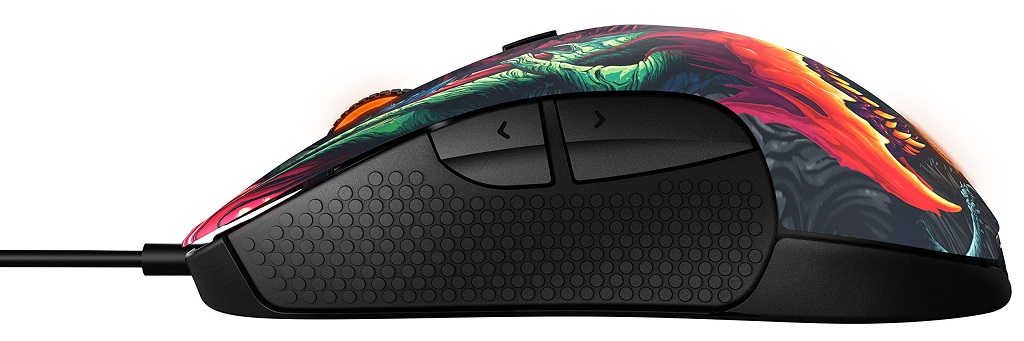
In the ever-evolving world of gaming peripherals, mice hold a position of paramount importance. Precision, comfort, and functionality are key factors for gamers seeking that competitive edge. The SteelSeries Rival 300, released in 2016, was once a top contender in the gaming mouse arena. But in 2024, with newer models boasting advanced features, does the Rival 300 still hold its own? This article dives into the strengths and weaknesses of the Rival 300, helping you decide if it’s a good fit for your gaming setup.
Aesthetics and Build Quality: A Classic Design
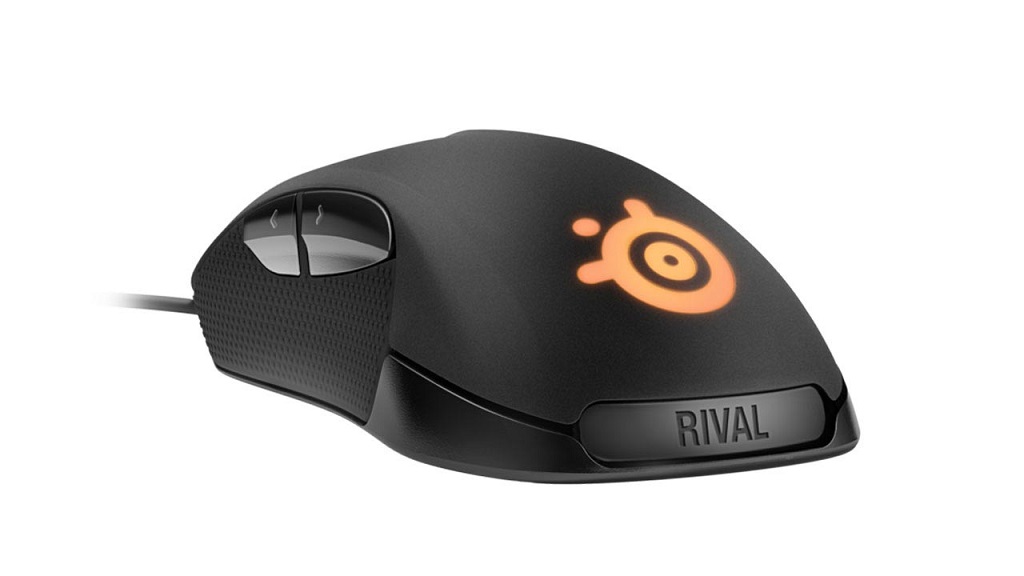
The Rival 300 boasts a right-handed ergonomic design. While some newer mice offer modular components for customization, the Rival 300 features a fixed shape that might not suit all hand sizes and grip styles. The textured plastic build feels solid and offers a decent grip, though some users might find it slippery during extended gaming sessions.
Sensor Performance: A Capable Contender, But Not Top-Tier
The Rival 300 utilizes the Pixart PMW3310 optical sensor. This sensor was a solid performer in its time, offering a maximum DPI (Dots Per Inch) of 6500 and decent tracking accuracy. However, compared to newer flagship sensors boasting higher DPIs and improved tracking capabilities, the Rival 300 might feel less precise for high-level competitive gaming.
Buttons and Customization: Functional Layout with Room for Improvement
The Rival 300 features six programmable buttons, including standard left and right clicks, a scroll wheel, and two side buttons. The buttons offer a satisfying clicky feel, but some users might find them a bit stiff compared to lighter and more responsive switches found in newer mice. The customization software allows for button remapping and macro creation, but the interface might seem dated compared to the more streamlined software offered by newer models.
RGB Lighting: A Touch of Flair, But Not Fully Customizable
The Rival 300 features RGB lighting in the logo and scroll wheel, adding a touch of personalization to your setup. However, the lighting customization options are limited compared to newer mice that offer per-zone lighting and more intricate effects.
Considering the Competition: Newer Mice Offer More Features
Since the release of the Rival 300, the gaming mouse market has seen significant advancements. Newer models often boast features like:
- Higher DPI Sensors: Flagship sensors now surpass 16,000 DPI, offering even greater precision for fast-paced games.
- Lighter Weight: Many newer mice prioritize lightweight designs for improved maneuverability.
- Wireless Connectivity: Wireless mice with low latency have become increasingly popular, offering a clutter-free gaming experience.
- Improved Customization: Modular components and advanced software allow for a more personalized mouse experience.
While the Rival 300 might lack some of these cutting-edge features, it remains a functional and reliable option for casual gamers or those on a budget.
Who Should Consider the Rival 300?
The Rival 300 might be a good fit for:
- Budget-conscious gamers: If you’re looking for a reliable gaming mouse at a competitive price point, the Rival 300 is worth considering.
- Casual gamers: For casual gaming experiences that don’t require the absolute highest level of precision, the Rival 300 offers a decent performance.
- Fans of the classic design: Gamers who appreciate the tried-and-true ergonomic design might find the Rival 300 comfortable for extended play sessions.
Related: Why VR Games Are Growing in Popularity
Conclusion: A Respectable Veteran, But Not Without Limitations
The SteelSeries Rival 300, while not the newest contender in the ring, remains a functional and affordable option for casual gamers. However, for those seeking the highest levels of performance, customization, and cutting-edge features, newer gaming mice might offer a more compelling package. Carefully consider your budget, gaming needs, and desired features before deciding if the Rival 300 is the right choice for you.