

Mobile game development teams convert ideas into playable games through shared workflows. Firstly, designers, developers, and artists align around one clear core loop. Then, the team prototypes, playtests, and refines that loop in short sprints.
However, strong teamwork matters more than any single talented individual here. Consequently, smart businesses study team workflow before judging final game quality. This guide explains roles, rituals, handoffs, and habits behind playable builds.
Specifically, you will see how collaboration turns rough concepts into tested software. Moreover, each section highlights one workflow habit worth checking before hiring. Ultimately, disciplined teamwork protects timelines, budgets, and the player experience daily.
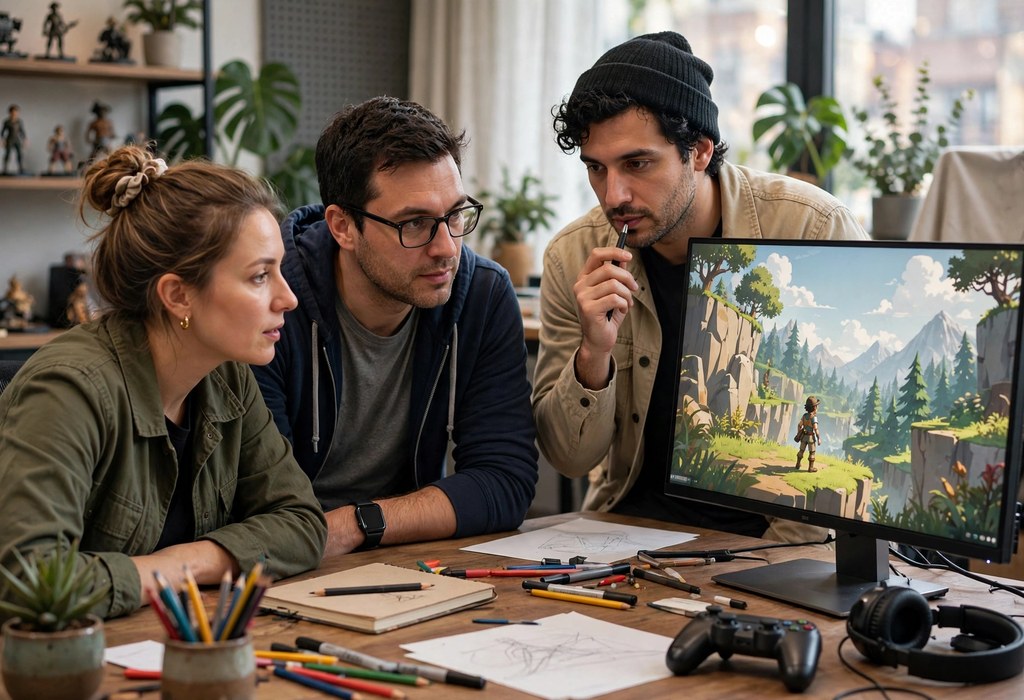
Who Sits on a Mobile Game Development Team
A producer leads scheduling, priorities, and communication across the whole project. Meanwhile, a game designer defines mechanics, levels, progression, and player goals. Developers then build gameplay, systems, and tools inside engines like Unity.
The Creative and Quality Roles Around the Core Team
Artists create characters, environments, interfaces, and animations matching the design vision. Additionally, audio designers craft music, effects, and voice elements supporting immersion. QA testers hunt defects, verify fixes, and challenge every risky assumption early.
Together, these specialists cover every skill a playable game needs daily. Strong mobile game development teams usually include these core roles:
- Producer: priorities, schedules, risks, and client communication
- Game designer: mechanics, levels, economy, and player progression
- Developer: gameplay code, systems, tools, and technical performance
- Artist: characters, environments, interfaces, and animation assets
- QA tester: defects, device checks, regressions, and release readiness
How Roles Collaborate Day to Day
Collaboration starts when every role reads the same design documents together. For example, designers explain intent, while developers flag technical limits immediately. A reliable game development service provider encourages this shared ownership from kickoff.
Shared Tools Keep Everyone Aligned
Teams track tasks on shared boards showing owners, deadlines, and blockers. Similarly, version control protects code and assets during constant parallel work. Daily visibility prevents surprises and keeps small problems small for everyone.
Sprint Cadence and Team Rituals That Drive Progress
Most teams work in agile sprints lasting one or two weeks. Each sprint starts with planning and ends with a playable build. Therefore, clients see real progress regularly instead of promises and screenshots.
Daily Standups and Sprint Reviews
Daily standups keep everyone focused on today, yesterday, and current blockers. Afterwards, sprint reviews let stakeholders play builds and share structured feedback. Retrospectives then help the team improve one workflow habit each sprint.
Crucially, producers maintain one prioritised backlog linking tasks to player value. Teammates see priorities clearly and challenge low-value work during planning sessions. Milestone delivery then stays realistic because sprint goals match true capacity.
| Ritual | Purpose | Who Joins |
| Sprint planning | Pick sprint goals and tasks | Whole team |
| Daily standup | Share progress and blockers | Whole team |
| Sprint review | Play build, gather feedback | Team and client |
| Retrospective | Improve workflow habits together | Whole team |
| Milestone check | Confirm milestone delivery readiness | Producer and leads |
From Idea to Prototype as a Team
Initially, the whole team interrogates the idea before anyone builds anything. Designers sketch the core loop, while artists test visual direction quickly. Developers meanwhile prototype the riskiest mechanic inside Unity within days.
Playtesting Shapes the Prototype Together
Playtesting puts real players in front of rough builds very early. Next, designers watch sessions, and developers log friction, confusion, and delight. Honest observations beat internal opinions during every prototype decision the team makes.
Before hiring, study how to choose a mobile game development company for business needs carefully. That homework reveals whether teams prototype collaboratively or work in silos.
Handoffs Between Disciplines Without the Chaos
Handoffs transfer work between design, art, code, audio, and QA testing. Clean handoffs include specs, references, deadlines, and clear acceptance criteria upfront. As a result, receivers start immediately instead of chasing missing details across chats.
Clear Ownership Makes Handoffs Work
Every task names one owner, one reviewer, and one deadline clearly. Later, explore how android game development opens access to more mobile users before expanding scope. Shared checklists then confirm assets, naming, formats, and integration steps consistently.
Keeping Quality High Through Teamwork
Quality grows when QA testing joins development from the first sprint. Testers join planning, question risky designs, and build test cases early. Engineers consequently fix defects in small batches before problems compound badly.
Peer Reviews and Shared Quality Standards
Peer reviews catch logic errors, visual inconsistencies, and performance risks early. Likewise, shared style guides keep art, code, and writing consistent throughout. Regular playtesting sessions finally align the whole team around player experience.
Performance checks also protect quality across different phones, tablets, and networks. Teams test loading, controls, battery use, and stability on real devices. Finally, shared dashboards show defect trends and guide each improvement decision.
Workflow Mistakes That Slow Mobile Game Development Teams
Even talented teams lose momentum through avoidable workflow habits every week. Watch for these recurring workflow mistakes during any project review:
- Silent blockers: members hide delays until deadlines collapse completely
- Vague handoffs: specs omit formats, owners, or acceptance criteria
- Meeting overload: rituals replace building, testing, and shipping work
- Solo decisions: leads skip reviews and surprise dependent teammates
- Late QA: testers join only after features feel finished
In practice, small fixes restore flow faster than dramatic process overhauls. Everyone improves fastest when retrospectives assign one fix each sprint.
Frequently Asked Questions
What roles do mobile game development teams include?
Producers, game designers, developers, artists, audio designers, and QA testers form the core team.
How do mobile game development teams turn an idea into a playable game?
Teams prototype the core loop, playtest early builds, and refine mechanics across short sprints.
How long do agile sprints last in mobile game development?
Most agile sprints run one or two weeks and end with a playable build.
Why do mobile game development teams hold daily standups?
Daily standups surface blockers, align priorities, and keep every discipline moving together daily.
What makes handoffs work between game designers, artists, and developers?
Clear specs, named owners, shared checklists, and acceptance criteria make handoffs work smoothly.
Conclusion
Great playable games emerge from teamwork, not isolated individual brilliance alone. Clear roles, honest rituals, and clean handoffs keep momentum high daily. Hence, judge mobile game development teams by workflow before judging portfolios.
Now, ask your shortlisted teams about sprints, standups, and handoff habits. Then, request one sprint plan and one recent playable build today. Start your project with a team proving collaboration, not just creativity.