

You can profit from the best casual games to play online through cash-reward apps, skill-based tournaments, in-game marketplaces, and content creation around gameplay. Casual gaming has grown from a way to kill five minutes in a waiting room into a legitimate side-income stream for millions of players, and you don’t need to be a professional gamer to get in on it.
The catch is that not every “play and earn” app delivers what it promises, and the games that genuinely pay tend to reward strategy over luck. This guide breaks down the real ways casual gamers turn playtime into profit, how to tell a legitimate opportunity from a time-waster, and what to expect in terms of realistic earnings.
Whether you’re looking for pocket-change side income or building toward something more consistent, the methods below are organized from easiest-to-start to highest-earning-potential, so you can pick the path that fits your goals.
What Makes a Casual Game Profitable

A casual game becomes profitable when it combines low time investment, a real payout mechanism, and either skill or consistency that improves your results over time. Not every game with a “win money” badge in the app store actually delivers on that promise.
Payout Structure Matters More Than Graphics
The games worth your time have a clear, verifiable path from gameplay to payout — whether that’s cash withdrawn via PayPal, gift cards, or in-game currency that converts to real value. Before downloading anything, check the app’s reviews specifically for comments about actual withdrawals, not just gameplay quality. A game can be fun and still be a dead end if nobody has successfully cashed out.
Skill vs. Luck-Based Games
Skill-based casual games (puzzle, trivia, strategy, card games) generally offer better long-term earning potential than luck-based ones, because your win rate improves with practice. Luck-based games — spin wheels, scratch cards, random draws — can pay out occasionally, but they’re closer to a lottery than a repeatable income source, and treating them otherwise usually leads to disappointment. Card and puzzle games consistently rank among the highest-paying casual titles because they offer skill-based reward pools. For a deep dive into card mechanics that yield real cash, mastering the relaxed pyramid Tips and Strategies to Conquer the Cards.
Best Types of Casual Games for Earning Money
The most profitable categories are skill tournament apps, trivia and quiz games, card and board game platforms, and puzzle games with cash leaderboards.
Skill Tournament Apps
Apps that let you enter paid or free skill-based tournaments (think bracket-style puzzle or arcade competitions) tend to have the most transparent payout structures, since prize pools are often shown upfront. These work well for players who enjoy a bit of competitive pressure and want faster, more frequent payout cycles.
Trivia and Quiz Games
Trivia games with live cash competitions reward general knowledge and quick reflexes, and they’re a solid entry point for casual gamers because the learning curve is low. Your earnings here scale with consistency — playing daily during peak reward windows (often evenings) tends to produce better results than sporadic play.
Card and Board Games
Digital versions of rummy, solitaire, and similar games often have real-money tables where entry fees create the prize pool. These reward pattern recognition and patience, and experienced players can build a measurable edge over time, similar to how skilled players approach any strategy game.
Puzzle Games with Leaderboard Rewards
Match-three, word, and logic puzzle games sometimes offer leaderboard-based cash rewards tied to weekly or monthly rankings. These suit players who prefer low-pressure, replay-heavy formats over head-to-head competition.
Ways to Actually Make Money from Casual Games
Beyond direct in-app rewards, there are several parallel income paths that casual gamers often overlook.
1. Cash Reward and Gift Card Apps
These apps pay you directly for playtime, achievements, or tournament wins, usually via PayPal, gift cards, or a redeemable points system. Read the redemption terms carefully — some apps require a minimum playtime or point threshold before you can cash out, which affects how quickly you’ll actually see money.
2. In-Game Item Trading and Marketplaces
Some casual games with collectible items, skins, or virtual currency support player-to-player trading, and rare items can hold real resale value on third-party marketplaces. This works best in games with an active, established trading community — check whether a secondary market for the game actually exists before investing time collecting items.
3. Streaming and Content Creation
Recording or streaming your casual gameplay — high scores, funny fails, speedruns — can build an audience that monetizes through ad revenue, tips, or sponsorships over time. This is a slower path to profit, but casual games are actually well-suited to short-form content (clips, highlights) because sessions are quick and easy to package into shareable moments.
4. Referral and Affiliate Programs
Many gaming apps offer referral bonuses for bringing in new players, and some casual game publishers run affiliate programs that pay a commission on purchases made by users you refer. This won’t replace gameplay income, but it’s a low-effort way to add to it if you already have an audience of fellow gamers.
A tip most guides skip
Track your actual time-per-dollar earned across two or three apps for a week before committing to any one platform. A game that pays $0.50 per hour of trivia is a worse deal than a tournament app paying $3 for a 15-minute bracket, even if the trivia app feels more rewarding session to session. Treating this like a quick spreadsheet exercise — rather than trusting an app’s marketing — is the single biggest factor in whether casual gaming actually nets you profit or just eats your evenings.
How to Spot Legitimate Money-Making Games
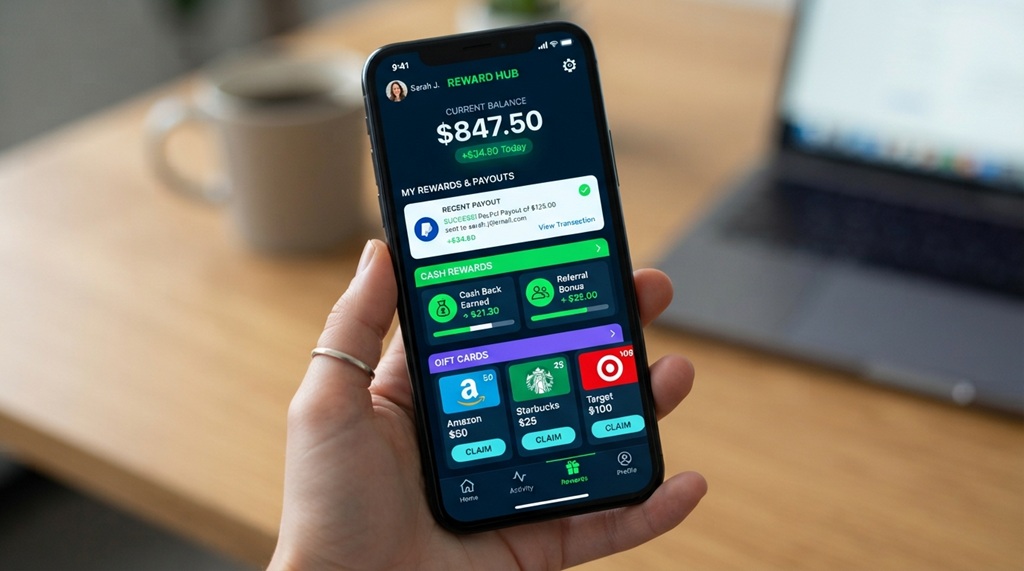
A legitimate casual game will have verifiable payout proof, clear terms of service, and a track record of actual user withdrawals — not just download numbers.
Check for Real Payout Evidence
Search the app name alongside terms like “payment proof” or “withdrawal” to see whether real users have documented successful cash-outs. Screenshots alone can be faked, so look for consistent, recent reports across multiple independent sources rather than a single glowing review.
Read the Fine Print on Withdrawal Minimums
Some apps set withdrawal thresholds high enough that most casual players never actually reach them, effectively turning “free money” into unpaid engagement time. If the minimum cash-out requires dozens of hours of play, factor that into whether the app is worth your time at all.
Watch for Excessive Ad Requirements
Apps that require you to watch an ad before every single action (not just occasionally) are usually prioritizing ad revenue over paying users fairly. A reasonable ratio is a red flag worth noting; constant, unskippable ads between every match is a sign the app’s real business model isn’t paying you.
Maximizing Your Earnings as a Casual Gamer
You can increase your casual gaming income by focusing on one or two games instead of spreading effort thin, playing during high-reward periods, and reinvesting small early wins into paid tournament entries where it makes sense.
Focus on Fewer Games, Deeper Play
Splitting your time across ten different earning apps usually means mediocre results everywhere, since most reward structures favor consistent, frequent play over occasional visits. Picking one or two games and genuinely improving at them tends to outperform casual dabbling across many apps.
Time Your Play Sessions
Some tournament and trivia apps have specific windows — often evenings or weekends — when prize pools or player participation (and therefore payouts) are higher. Checking an app’s community forums or social pages for advice on peak times can meaningfully change your results without any change in skill.
Reinvest Small Wins Strategically
If a game allows you to enter paid tournaments with better prize pools, reinvesting a portion of small early wins can accelerate growth — but only after you’ve confirmed the app pays out reliably. Never reinvest money you haven’t verified you can withdraw in the first place.
FAQ
Can you really make money playing casual games online?
Yes, though earnings are typically modest — often a few dollars to a few tens of dollars per week for casual players. Higher, more consistent income generally requires tournament skill, content creation, or a mix of methods rather than relying on one app alone.
What’s the fastest way to start earning from casual games?
Cash reward or gift card apps with low withdrawal minimums are the fastest to start with, since they don’t require building an audience or trading skill. Trivia and simple puzzle games with same-day payouts are usually the quickest to test.
Are casual game earning apps safe to use?
Reputable apps with verifiable payout history and clear terms of service are generally safe, but always avoid apps that ask for banking passwords or upfront fees to “unlock” earnings. Sticking to well-reviewed apps with an established user base reduces risk significantly.
Do I need to spend money to earn from these games?
No — many legitimate options are free-to-play with ad-supported or free-tournament earning structures. Paid tournament entries can increase potential payouts, but they also increase risk, so they’re better suited to players who’ve already confirmed a game’s skill-based edge works in their favor.
Which casual game genre pays the best?
Skill-based tournament and card games generally offer the highest earning ceiling, since prize pools reward better players over time rather than paying out randomly. Trivia and puzzle games are more consistent but usually have a lower overall ceiling.
Conclusion
Profiting from casual games online comes down to picking games with transparent, verifiable payouts, leaning into skill-based formats over pure luck, and treating your time like a resource worth tracking. The players who do best usually aren’t chasing every new earning app — they’re focusing on one or two legitimate platforms, playing consistently, and layering in extra income through trading, referrals, or content when it makes sense. Start small, verify payouts before committing real time or money, and let your results guide where you double down.


