
Ethic tests are intriguing and engaging games designed to challenge our morals and decision-making. These games are often used to explore the depths of human behavior and test how far individuals will go to follow their conscience. Ethical testing games provide an interactive way to engage with dilemmas and challenging scenarios that force players to reflect on their values. In this article, we’ll explore the best ethic tests games, their purposes, and how they play a significant role in understanding moral and ethical decision-making.
What Are Ethical Testing Games?
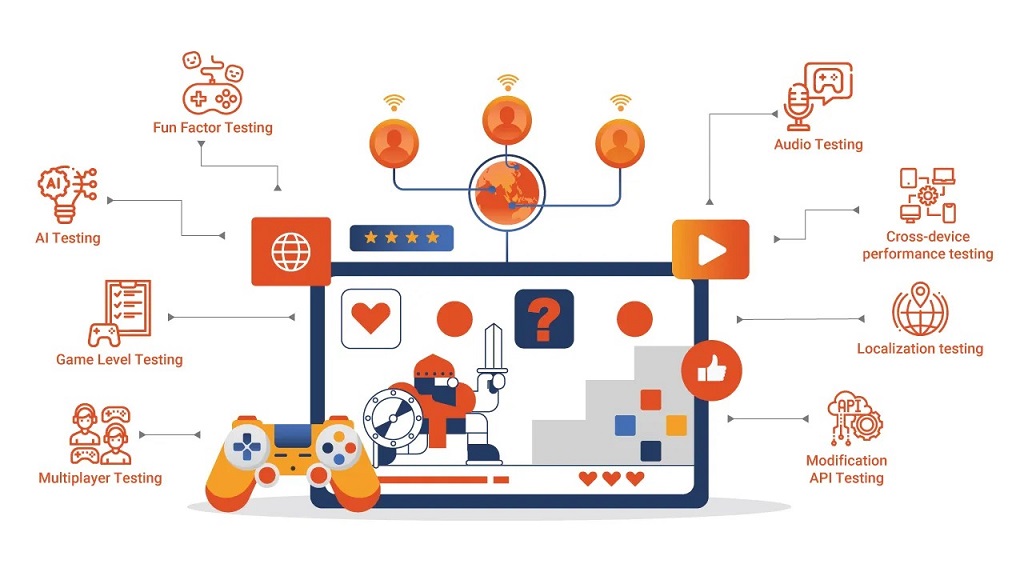
Ethical testing games are simulations or interactive experiences that challenge players to make difficult decisions, often in morally gray areas. These games present dilemmas that force players to choose between competing values, such as honesty versus loyalty, justice versus mercy, or personal gain versus the greater good.
The main objective of these games is to simulate real-world ethical dilemmas and test how players react when confronted with situations that require moral judgment. Many games incorporate consequences for decisions, demonstrating how choices can impact not only the player but also the characters and world within the game.
Why Do These Games Matter?
Ethical tests have an important role in shaping the way we understand and navigate moral questions. They offer an innovative way for individuals to explore their own values. Beyond entertainment, these games can serve as powerful learning tools, encouraging self-reflection, and promoting empathy for others.
Top Ethical Testing Games You Should Try
-
The Stanley Parable
The Stanley Parable is one of the most iconic games that explores ethical testing. It challenges the player’s sense of free will, presenting moral decisions on whether to follow instructions or rebel. The game creates a thought-provoking narrative that encourages players to consider the consequences of their choices, making it a powerful test of personal values and ethical reasoning.
-
Papers, Please
In Papers, Please, players take on the role of a border control officer in a fictional dystopian country. As a border agent, you must decide whether to let people into the country or deny them entry based on a set of ethical guidelines. The game tests your moral compass as you face decisions that involve human suffering, corruption, and national security.
-
Spec Ops: The Line
Spec Ops: The Line is a military shooter that departs from traditional war-game tropes. As players navigate the narrative, they must make difficult choices that push them to question the morality of their actions. It’s not just about surviving; it’s about confronting the emotional and ethical consequences of war, making it a gripping and intense ethical testing experience.
-
Detroit: Become Human
Detroit: Become Human immerses players in a futuristic world where artificial intelligence and robots are beginning to gain sentience. Players must make difficult decisions as they navigate the lives of the androids, often pitting morality against personal gain. This game forces players to ask critical questions about ethics, artificial intelligence, and human rights.
-
The Witcher 3: Wild Hunt
The Witcher 3: Wild Hunt is filled with difficult choices that have far-reaching consequences. Whether deciding whether to help a village at the risk of your own safety or choosing between rival factions, this open-world game challenges players to reflect on their ethical decisions. The game encourages players to consider the long-term effects of their choices on the characters and the world.
Why Are Ethical Testing Games So Important?
1. They Challenge Our Values and Moral Code
One of the main reasons these games are so valuable is that they challenge our core values. They force players to question their ethical standards, which can lead to personal growth. Ethical testing games ask tough questions like: “What would you do in a life-or-death situation?” or “Should you prioritize your survival or the welfare of others?” These questions make players reconsider their positions on complex moral issues.
2. They Promote Critical Thinking
Ethical testing games require players to think critically and weigh consequences before making decisions. Unlike traditional games where the outcome is clear, these games often present scenarios with no easy answers. Players must evaluate the long-term effects of their choices and consider how different decisions may alter the storyline and character relationships. This promotes complex problem-solving skills and a deeper understanding of cause and effect.
3. They Teach Empathy
By forcing players into difficult situations involving others’ well-being, these games develop empathy. Understanding and experiencing the hardships of others through virtual characters encourages players to see the world from different perspectives. In real life, the ability to empathize with others’ struggles can lead to more compassionate and ethical actions.
4. They Encourage Self-Reflection
Making tough decisions in these games allows players to reflect on their own beliefs and values. What they choose often mirrors their real-life values and decision-making processes. This creates an opportunity for self-awareness, as players may uncover ethical blind spots or contradictions in their personal morals. Ethical testing games offer the space to challenge one’s convictions and examine whether they hold up under pressure.
Psychological Insights and Impact of Ethical Testing Games
The Role of Emotions in Ethical Choices
Studies have shown that emotions play a significant role in moral decision-making. Ethical testing games tap into this by placing players in emotionally charged situations. The emotional weight of a decision can lead to more impulsive or guilt-ridden choices, revealing the deep connection between emotions and ethical reasoning.
Read More Also: How to Change Values in Ren’Py Games: A Comprehensive Guide for Developers
Moral Development and Growth
Engaging with these games allows individuals to experiment with moral dilemmas and learn from their mistakes. As players make choices, they begin to understand the consequences of their actions and the importance of thoughtful decision-making. For younger audiences, these games may help promote moral development, as they are presented with opportunities to make ethical decisions that shape their worldview.
Understanding Cognitive Dissonance
Cognitive dissonance occurs when a person’s actions conflict with their beliefs, leading to discomfort and a desire to resolve the inconsistency. Ethical testing games often create situations where players must reconcile their actions with their values, forcing them to confront the dissonance between their choices and beliefs. This can lead to a greater understanding of how cognitive dissonance shapes decision-making in real-life scenarios.
Read More Also: Ready to Rumble? Top Games That Get Your Heart Racing
FAQs
1. What makes ethical testing games different from other video games?
Ethical testing games focus on decision-making and moral dilemmas, forcing players to confront complex ethical issues. Unlike traditional games that focus on gameplay mechanics, these games are designed to explore human values and moral judgment.
2. Can playing ethical testing games improve my decision-making in real life?
Yes! These games can improve your ability to analyze situations, weigh options, and consider long-term consequences, which are key skills in decision-making both in real life and in-game.
3. Are there any ethical testing games designed for educational purposes?
Yes, some games like Papers, Please and The Stanley Parable are often used in educational settings to help students explore complex moral and ethical questions. These games provide an interactive learning experience that can stimulate philosophical discussions.
4. Can ethical testing games be harmful?
In some cases, ethical testing games may cause emotional distress due to the weight of the moral decisions presented. However, when approached thoughtfully, they can serve as valuable tools for reflection and growth.
5. What are the benefits of playing ethical testing games?
Playing these games can foster critical thinking, empathy, and moral reasoning. They allow players to explore complex ethical dilemmas, encouraging personal growth and self-awareness.
Conclusion
Ethical testing games are more than just entertainment; they are a powerful tool for exploring the complexities of human behavior and decision-making. By presenting players with morally ambiguous situations, these games help develop critical thinking skills, empathy, and a deeper understanding of personal values. Whether you’re looking to challenge your own ethics or gain new insights into moral philosophy, ethical testing games offer a unique and engaging way to explore the gray areas of life.


