

In the ever-evolving world of video games, where reflexes and hand-eye coordination often steal the spotlight, a unique genre thrives – the realm of strategy games. These digital battlefields challenge players to outsmart their opponents, where intellect and tactical acumen become the most potent weapons. This article dives into the captivating universe of strategy games, exploring their diverse forms, the cognitive skills they enhance, and why they continue to captivate players worldwide.
The Art of Strategy Gaming
Strategy games are a testament to the power of the human mind. They demand players to analyze complex situations, devise intricate plans, and adapt their strategies on the fly. Unlike games that rely solely on twitch reflexes, strategy games offer a deeper level of engagement, where every decision can have far-reaching consequences.
Types of Strategy Games
Strategy games come in various flavors, each catering to different tastes and preferences:
- Real-Time Strategy (RTS): These games unfold in real time, forcing players to make split-second decisions while managing resources, building armies, and engaging in fast-paced battles. Popular titles include “StarCraft II,” “Warcraft III,” and “Age of Empires IV.”
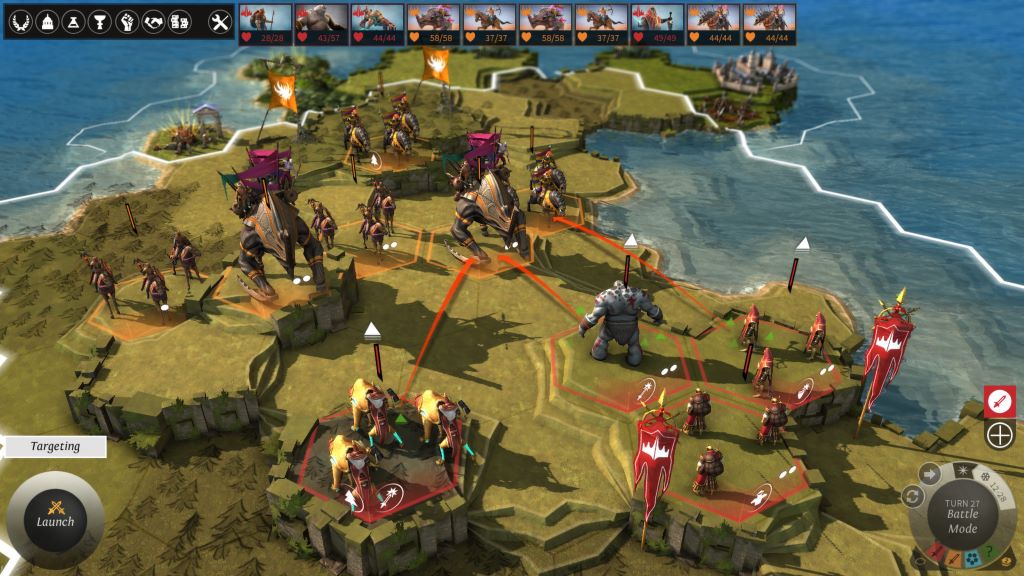
- Turn-Based Strategy (TBS): TBS games offer a more methodical approach, where players take turns executing their moves. This genre encourages deep strategic thinking and tactical planning. “Civilization VI,” “XCOM 2,” and “Total War: Warhammer III” are prime examples.
- Grand Strategy: These games take a broader perspective, often encompassing entire civilizations or historical periods. Players manage economies, diplomacy, technological advancements, and military campaigns. “Crusader Kings III,” “Europa Universalis IV,” and “Hearts of Iron IV” are well-regarded entries.
- 4X (eXplore, eXpand, eXploit, eXterminate): 4X games combine elements of exploration, expansion, resource exploitation, and warfare. They often feature a science fiction or fantasy setting. “Stellaris,” “Endless Space 2,” and “Galactic Civilizations III” are popular choices.
- Card Games and Board Games: Digital adaptations of classic card games like “Hearthstone” and board games like “Ticket to Ride” offer strategic depth and competitive thrills in a virtual format.
Related: Become the Hero: Immersive RPGs to Live Another Life
Cognitive Benefits of Strategy Games
Playing strategy games isn’t just about having fun; it’s also about exercising your brain. Research suggests that these games can enhance various cognitive skills:
- Critical Thinking: Strategy games require players to analyze complex situations, identify patterns, and make decisions based on incomplete information.
- Problem-Solving: Players constantly encounter challenges that demand creative solutions, forcing them to think outside the box.
- Decision-Making: Strategy games present players with choices that can significantly impact the outcome, honing their ability to assess risks and rewards.
- Planning and Forecasting: Players must anticipate their opponents’ moves and devise long-term plans to achieve their goals.
- Spatial Reasoning: Many strategy games involve navigating maps and understanding spatial relationships, improving spatial awareness.
- Memory: Remembering unit abilities, resource locations, and past events is crucial for success in strategy games.
The Enduring Appeal
Strategy games have endured for decades because they offer a unique blend of challenge, intellectual stimulation, and the thrill of outsmarting opponents. Whether you prefer the adrenaline rush of RTS battles or the methodical planning of TBS campaigns, there’s a strategy game out there for you.
Conclusion
In a world dominated by fast-paced action games, strategy games provide a refreshing alternative – a space where intellect reigns supreme. They challenge players to think critically, plan strategically, and adapt to ever-changing situations. If you’re looking for a gaming experience that will truly test your mental mettle, dive into the vast and rewarding world of strategy games. Your brain will thank you.