
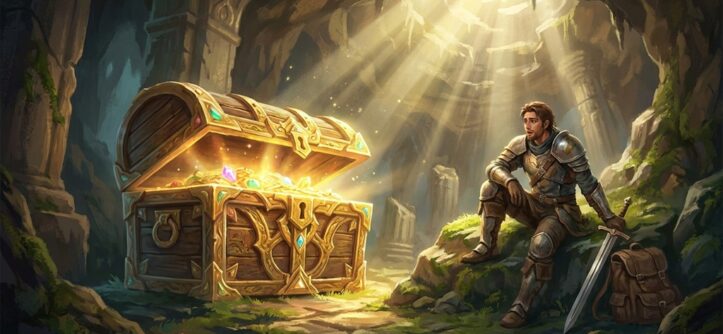
You don’t need hundreds of hours to find rare loot in RPGs. You need to understand how drop systems actually work, then target the right enemies, zones, and mechanics instead of repeating the same fight forever. Most players grind because they treat every enemy as equal odds. They’re not.
Rare items follow patterns. Developers build loot tables with specific weights, bonus conditions, and hidden triggers. Once you learn to read these patterns, you can cut your farming time dramatically and still walk away with the gear you want.
This guide breaks down the real mechanics behind rare drops, then gives you practical routes and tools to find loot faster. No fake statistics, no “trust me” advice. Just methods you can test yourself tonight.
Understand How Loot Drop Rates Actually Work
Every rare item has a drop chance tied to a loot table, not a “grind timer.” The game rolls a number each time an enemy dies, and that number decides what drops. Grinding the same low-tier enemy for hours often wastes time because its loot table caps out at common or uncommon gear.
Loot Tables Have Weighted Tiers
Most RPGs assign weights to items instead of flat percentages. A common sword might have a weight of 100, while a legendary variant sits at 1 or 2. This means the rare item is always possible, but it’s buried under far more likely outcomes.
Knowing this changes your strategy. Instead of farming one enemy nonstop, look for enemies whose loot table is smaller and more favorable. Fewer possible drops means better odds per kill.
Some Games Use Pity Systems
Many modern RPGs include a hidden “pity” mechanic that raises your drop chance the longer you go without a rare item. This is common in loot-based action RPGs and gacha-style systems. If you’ve farmed a boss 30 times with nothing, your next few kills may carry a quiet boost.
You usually can’t see this number, but consistency still matters more than lucky short sessions.
Target High-Value Loot Sources Instead of Random Grinding
Not all enemies are worth farming. Bosses, elite variants, and specific world events almost always carry better loot tables than standard mobs. Focus your time on these sources first.
Boss Fights and Mini-Bosses
Bosses typically guarantee at least one item from a curated loot pool, which is far more efficient than hoping a common enemy rolls something rare. Mini-bosses often get overlooked, but they frequently share a boss-tier loot table without the difficulty spike.
Chests, Vaults, and Hidden Rooms
Environmental loot containers often ignore the RNG systems tied to combat drops. Many games place guaranteed or high-tier items in hidden vaults, locked chests, or puzzle rooms specifically to reward exploration over repetition. If a game has a map with unexplored areas, check those before grinding combat encounters.
Rare Spawns and Timed Events
Some enemies only appear during specific in-game hours, weather conditions, or random world triggers. These “rare spawns” usually carry loot tables built entirely around unique or legendary items. A single rare spawn kill can outperform fifty regular kills.
Optimize Loot Runs with Smart Dynamic Routes
Instead of idling at a single spawn point waiting for an enemy to refresh, top-tier players multiply their drop rates by executing dynamic, multi-node looting routes. Traversing a tailored circuit lets you clear high-yield chests, elite mini-bosses, and rare resource nodes in one seamless loop drastically cutting downtime while keeping your inventory flowing. Naturally, running these high-density paths efficiently requires a build capable of sustaining momentum through heavy combat; if you want to ensure your setup can effortlessly clear those secret dungeons once you locate the treasure, full guide on build strong RPG characters for the endgame.
Build a Loop Around Respawn Timers
Identify three or four enemies or chests near each other with different respawn timers. Run the loop continuously so you’re never standing still waiting for one spawn. This keeps your kill count high without repetitive tunnel-vision farming.
Combine Farming With Side Content
Many players ignore side quests because they focus purely on loot grinding. Side quests often reward unique gear that never appears in normal loot tables. Completing them alongside your farming route adds guaranteed items to your run instead of relying on chance alone.
Track Drop Locations With Community Tools
Wikis, drop-rate spreadsheets, and community databases exist for almost every major RPG. These resources save enormous time because other players have already logged thousands of kills and mapped out where specific items actually drop. Skipping this step means repeating research other players already finished.
Increase Your Odds With In-Game Mechanics

Beyond location and targets, many RPGs include mechanics that directly boost your drop rate. Ignoring these means leaving free luck on the table.
Luck and Magic Find Stats
Many RPGs include a hidden or visible stat that boosts rare item chances, often labeled “luck,” “magic find,” or “item find.” Gearing toward this stat before a farming session can meaningfully raise your odds, according to industry experts and long-time loot-system analysts. Even a modest boost compounds over dozens of kills.
Difficulty Scaling and Loot Quality
Higher difficulty settings frequently unlock better loot tiers entirely. Some RPGs won’t drop certain rare items at all below a specific difficulty threshold. If you’re stuck farming and getting nothing rare, check whether the difficulty setting itself is capping your rewards.
Group Play and Loot Bonuses
Many RPGs increase drop rates or loot rolls when players farm in groups, especially in co-op or MMO-style titles. This isn’t just about splitting the work. It’s a built-in bonus that solo grinding can’t replicate. If your game supports parties, farming with others often beats solo grinding for rare-item efficiency.
Avoid Common Grinding Mistakes That Waste Time
Most wasted grinding time comes from a few repeated habits. Fixing these alone can cut your farming time significantly.
- Farming the wrong enemy tier. Low-level enemies rarely carry high-tier loot tables, no matter how many times you kill them.
- Ignoring patch notes. Developers frequently adjust drop rates, and an old “best farming spot” guide may no longer apply.
- Skipping inventory management. Full inventories can cause games to auto-sell or skip loot rolls in some titles.
- Farming during off-hours for event loot. Timed events often have specific windows; farming outside them guarantees nothing.
- Never rotating farming spots. Repeating one location ignores better-yielding alternatives nearby.
Frequently Asked Questions
Does grinding longer actually increase my chance of rare loot?
Not by itself. Drop chances are usually fixed per kill unless the game has a pity system. Grinding longer only helps if you’re also targeting better loot sources, not just repeating the same low-value enemy.
Are drop rates the same on every difficulty level?
No. Many RPGs increase both the drop rate and the tier of loot available as difficulty rises. Some rare items are locked out entirely on lower difficulties, so raising the difficulty can be more effective than extra grinding time.
Do loot tables ever change after launch?
Yes, frequently. Developers often patch drop rates, add new loot pools, or rebalance item tiers after release. Always check recent patch notes before trusting an older farming guide.
Is farming in a group actually better than solo farming?
In most cases, yes. Many RPGs boost loot rolls or drop rates for parties, especially in co-op and MMO-style games. Group farming also lets you split farming routes and cover more ground per session.
What’s the fastest way to find good farming spots for a specific game?
Community wikis and drop-rate databases are usually the fastest source. Other players have already tested and logged thousands of kills, so you can skip the trial-and-error phase entirely.
Conclusion
Finding rare loot in RPGs comes down to understanding systems, not repeating fights blindly. Learn how loot tables work, target bosses and high-value sources, build efficient farming routes, and use every mechanic your game offers, from luck stats to group bonuses. Once you shift from “grind more” to “grind smarter,” rare loot stops feeling like a lottery and starts feeling like a plan you control.