

Hidden map secrets exist to reward curious players who explore beyond the main path. You find them by exploring off the beaten path, watching for visual clues, using in-game tools, and checking community resources when you get stuck. Every open world game hides something: a secret weapon, a lore note, an easter egg, or a shortcut that saves you an hour of walking.
Most players miss these secrets because they rush through the main story. They follow the quest marker and ignore everything else. That’s a mistake. Some of the best content in open world games sits far away from the critical path.
This guide breaks down exactly how to spot hidden areas, what tools help you find them faster, and which habits separate casual players from true explorers.
Why Open World Games Hide Secrets in the First Place
Developers hide secrets to reward exploration and extend playtime. A game with only linear content gets finished fast. Secrets slow players down in a good way. They turn a straightforward playthrough into a scavenger hunt.
Hidden content also builds a sense of discovery. Finding a secret without a guide feels earned. Game designers know this, so they often place rewards in spots that require genuine curiosity, not just luck.
The Design Logic Behind Secret Placement
Most secrets follow patterns once you understand them. Developers use visual storytelling to hint at hidden areas. A cave entrance behind a waterfall. A cracked wall that looks slightly different from the rest. A path that seems to lead nowhere but actually loops around.
Learning these patterns helps you predict where secrets might be, even in a game you’ve never played before.
Explore Every Corner of the Map Before Following the Main Quest
The fastest way to miss secrets is to rush the story. Slow down and walk instead of fast-traveling everywhere. Fast travel skips the small details that often lead to hidden content.
Try clearing one region completely before moving to the next. This method works well in games like open world RPGs and survival titles. You avoid backtracking later, and you build a mental map of the terrain.
Look for Visual Anomalies
Hidden areas often break the pattern of their surroundings. Watch for:
- Rock formations that look too smooth or too round
- Trees or bushes placed in unusual clusters
- Slightly discolored walls or floors
- Structures that seem incomplete or abandoned
These small details usually mean something is nearby. Game artists rarely place random objects without a reason.
Unlocking Secret Locations Through In-Game Detection Tools
Mastering open-world exploration relies heavily on leveraging your character’s built-in detection abilities, from tech scanners and detective modes to heightened sensory vision. However, mechanics alone only tell half the story; true secret-hunters blend active abilities with heightened environmental awareness, especially sound design. Subtle auditory cues such as a faint chime, a muffled reverberation, or a sudden shift in the ambient soundtrack frequently signal an unmapped cavern, a breakable wall, or a buried chest waiting nearby. Integrating these sensory signals with your diagnostic tools allows you to identify hidden pathways effortlessly, and if you struggle with tricky side quests while exploring, check out our guide on solve hard game puzzles without walkthroughs to sharpen your problem-solving skills.
Check Your Map’s Fog of War
Unexplored areas usually show as blank or foggy on your map. Open your map often and look for gaps. A dark patch surrounded by explored territory almost always hides something worth finding.
This simple habit catches secrets that visual scanning misses, especially in large open worlds where it’s easy to lose track of where you’ve been.
Interact With Every NPC and Read Every Note
NPCs often drop hints about hidden treasures, even in casual dialogue. A merchant might mention a cave nobody dares to enter. A guard might complain about strange noises near an old ruin. These lines rarely feel important, but they often point to real content.
Notes, journals, and letters work the same way. Game writers plant clues in written text far more often than players expect. Reading everything takes extra time, but it pays off.
Don’t Skip Side Quests
Side quests frequently lead players straight to secret areas. A quest that seems unrelated to the main story might end at a hidden chamber or unlock a new path on the map. According to industry experts, side content in modern open world games often contains more unique rewards than the main storyline itself.
Use Community Resources Without Ruining the Experience
Sometimes exploration alone isn’t enough, and that’s fine. Community wikis, forums, and video guides exist for a reason. The trick is using them without spoiling your own discoveries.
Try this approach: explore fully on your own first. Only check a guide after you’ve genuinely searched an area and come up empty. This keeps the sense of discovery intact while still helping you find what you missed.
Where to Look for Reliable Information
Not all sources are equally trustworthy. Official game wikis and dedicated fan communities tend to have the most accurate maps. Video walkthroughs help when you need visual confirmation of a location. Reddit threads often reveal secrets that guides miss entirely, since players share discoveries in real time.
Pay Attention to Environmental Storytelling
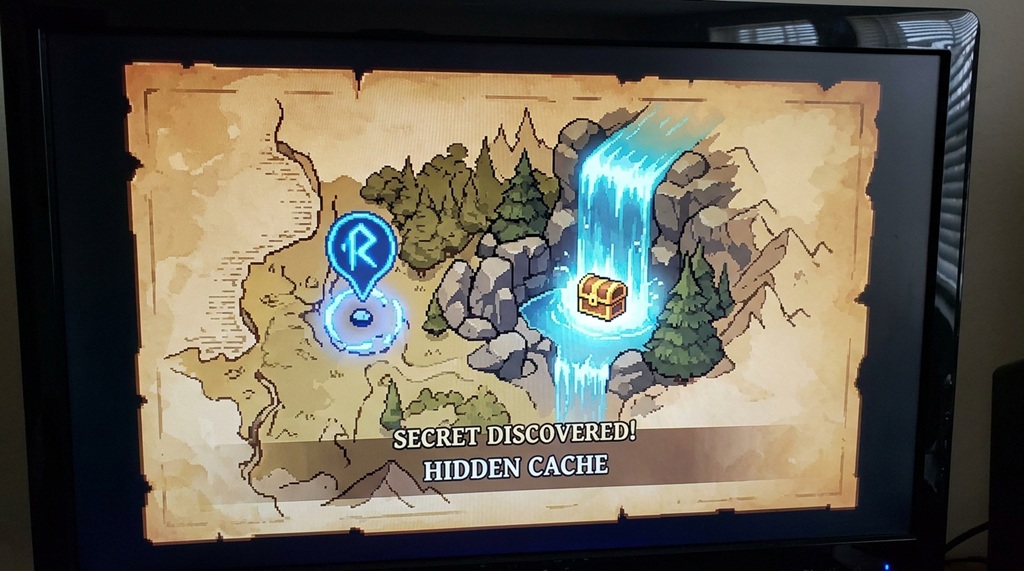
Environmental storytelling often hides secrets in plain sight. A campfire with scattered belongings might mean a hidden survivor camp is nearby. A trail of blood could lead to a monster’s lair. These details tell a story without a single line of dialogue.
Games with strong environmental design reward players who stop and observe. Instead of just walking forward, look around. Check behind objects. Climb to higher ground and scan the horizon. High vantage points reveal paths and structures that are invisible from ground level.
A Tip Most Guides Won’t Tell You
Many players overlook the value of revisiting old areas after gaining new abilities. Games frequently gate secrets behind skills or items you don’t have early on. A locked door you couldn’t open at the start might unlock easily once you’ve upgraded your gear. Make a habit of marking blocked paths on your map as you play. Return to them later instead of forgetting them entirely. This single habit uncovers far more hidden content than constant forward progress ever will.
Frequently Asked Questions
How do I know if an open world game has hidden secrets?
Almost every modern open world game includes hidden content, from small easter eggs to entire secret areas. Check the game’s official description or community wikis for confirmation. If the game has a large explorable map, secrets are almost guaranteed to exist somewhere.
What’s the best way to find secrets without using a guide?
Slow down, explore every region fully, and pay attention to visual and audio cues. Interact with NPCs and read all available text. This method takes longer, but it keeps the discovery experience intact.
Do all hidden areas require special abilities to access?
No, but some do. Many secrets are accessible from the start, while others require specific skills, items, or story progress. Revisiting old areas after upgrades often reveals content you couldn’t reach before.
Are hidden secrets worth the time investment?
Yes, in most cases. Hidden areas often contain unique gear, lore, or rewards you can’t get anywhere else. They also add replay value and depth to the overall game experience.
Can fast traveling cause me to miss hidden content?
Yes. Fast travel skips the physical exploration that often leads to discovering secrets. Walking or riding through an area gives you a much better chance of spotting hidden clues along the way.
Final Thoughts
Finding hidden map secrets comes down to patience and observation. Slow your pace, explore every corner, and pay attention to the small details games use to guide curious players. Use in-game tools and audio cues to your advantage, and don’t hesitate to check community resources when you’re stuck.
The real reward isn’t just the loot or lore you find. It’s the satisfaction of uncovering something the game never explicitly told you was there.