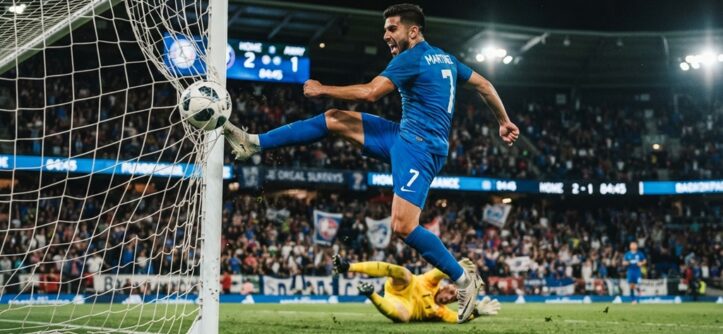
Scoring goals easily comes down to three things: better positioning, sharper technique, and smarter decision-making under pressure. You don’t need superhuman skill to score more often. You need to train the right habits and read the game faster than your opponent. This guide breaks down exactly how to do that, step by step.
Most players think goal-scoring is about raw talent. It isn’t. It’s a skill you build through repetition, timing, and game sense. Even casual gamers who play sports titles like FIFA, eFootball, or Rocket League can boost their win rate by applying real tactical thinking to virtual matches.
Below, you’ll find practical techniques used by top players and coaches. Each section stands on its own, so skip ahead to whatever you need most right now.
Master Your Shooting Technique First

Your shooting technique determines whether a scoring chance turns into a goal or a wasted opportunity. Poor technique wastes even the best positioning. Good technique turns half-chances into goals.
Focus on Contact Point, Not Just Power
The exact spot where your foot (or controller input) meets the ball matters more than how hard you hit it. A clean strike through the center of the ball, or slightly below it for lift, produces more accuracy than a rushed, powerful shot. In video games, this translates to timing your shot button press rather than mashing it.
Practice Placement Over Power
Aim for corners and gaps, not the center of the goal. Goalkeepers, whether human or AI, cover the middle instinctively. A well-placed shot to the far post beats a powerful shot straight at the keeper almost every time.
Improve Your Positioning Before the Ball Arrives
Great scorers position themselves before they receive the ball, not after. This single habit separates average players from consistent goal-scorers.
Watch how strikers move in open space. They read the play two or three steps ahead. They anticipate where a rebound, cross, or through-ball will land, and they get there first. In sports games, this means using off-ball movement controls, not just chasing the ball with your active player.
Try this simple rule: always ask “where will the ball be in two seconds?” instead of “where is the ball now?” This shift in thinking alone can double your scoring chances in a single match.
Use Mental Preparation to Stay Calm Under Pressure
Nerves ruin more scoring chances than bad technique does. Staying calm in front of goal is a skill you can train, just like shooting or passing.
Slow Your Decision-Making Down
When a scoring chance appears, your brain wants to rush. Fight that instinct. Take an extra half-second to pick your shot placement instead of firing blindly. Rushed shots miss far more often than composed ones, even when the technique behind them is identical.
Mastering the Mindset: Building Pre-Match Routines
Top athletes rely on structured pre-match routines to quiet mental noise and anchor their focus before big moments a psychological tactic that esports players and gamers can leverage to gain a decisive competitive edge. Incorporating a deliberate warm-up, whether through a quick unranked warm-up match, targeted practice aiming drills, or a two-minute deep-breathing exercise before entering a high-stakes ranked lobby, rapidly stabilizes your composure, sharpens reaction times, and ensures superior tactical decision-making under pressure. If you want to refine your mental toughness and unlock peak performance under pressure, explore our curated breakdown on how to hit a home run! Top titles to channel your inner athlete to discover elite training guides and high-impact sports literature.
Learn Timing and Anticipation for Better Chances
Timing is the difference between a goal and an offside call, or between a clean strike and a blocked shot. Anticipation lets you act a fraction of a second before your opponent reacts.
Study the patterns of your opponents, whether they’re real players or game AI. Most defenders and goalkeepers follow predictable habits. A goalkeeper might always dive early on penalties. A defender might always jockey to one side. Once you spot these patterns, you can exploit them consistently.
This applies directly to sports video games too. AI-controlled defenders in games like FIFA or PES follow scripted behaviors. Learning these patterns gives you a real edge that most casual players never notice.
Apply Smart Tactics That Most Players Overlook
Here’s an angle most goal-scoring guides skip entirely: shot fake and body feints matter more than raw shooting stats in most sports games.
Many players focus purely on shot power and accuracy ratings. But a well-timed fake, whether it’s a stepover, a shoulder drop, or a fake shot, unbalances the defender or goalkeeper for a split second. That split second is often all you need for a clean shot on goal.
Try mixing up your approach during one-on-one situations:
- Fake a shot, then cut inside for a real one.
- Change your run direction just before receiving a pass.
- Delay your shot by a beat longer than the defender expects.
According to industry experts in competitive gaming, unpredictability beats raw stats in close matches. Players who rely only on high shooting ratings become predictable, and predictable players get read easily by skilled opponents.
Train Consistently to Build Muscle Memory

Consistent practice builds the muscle memory that makes goal-scoring feel automatic instead of forced. This applies whether you’re on a real pitch or a game controller.
Set Aside Focused Practice Time
Don’t just play full matches every session. Spend 10-15 minutes on shooting drills, whether that’s practice mode in a game or shooting drills on a real field. Repetition trains your brain to recognize scoring opportunities faster.
Review Your Missed Chances
After each match, think back to the chances you missed. Ask why. Was your positioning off? Did you rush the shot? Was your timing early or late? This kind of honest review speeds up improvement far more than simply playing more matches without reflection.
Understand Your Opponent to Win More Matches
Winning consistently requires more than scoring goals. It requires understanding how your opponent thinks and plays.
Watch for patterns in how your opponent defends, builds attacks, or reacts under pressure. Some players panic when they concede first. Others get overconfident when they’re ahead. Use these tendencies to your advantage. If an opponent panics easily, apply early pressure. If they get careless when leading, stay patient and wait for their mistake.
This tactical awareness matters just as much in gaming as it does in real sports. Reading your opponent’s habits across a match, or across several games in a tournament, gives you information that raw skill alone can’t provide.
Frequently Asked Questions
What is the fastest way to improve goal-scoring skills?
The fastest way is focused practice on shot placement and positioning, not just power. Spend short, dedicated sessions working on these two areas instead of playing full matches repeatedly. Most players see noticeable improvement within a few weeks of targeted practice.
Does mental preparation really affect scoring performance?
Yes, mental preparation has a direct impact on performance under pressure. Staying calm helps you make better decisions in front of goal instead of rushing shots. Simple routines like breathing exercises or brief warm-ups can measurably reduce mistakes in high-pressure moments.
How do I stop missing easy scoring chances?
Most missed easy chances come from rushing the shot or picking the wrong placement. Slow down your decision-making, even by half a second, and aim for corners instead of the center of the goal. Reviewing your missed chances after each match also helps you spot recurring mistakes.
Can these tips work for sports video games and real sports equally?
Yes, the core principles of positioning, timing, and calm decision-making apply to both. Video games add an extra layer of pattern recognition since AI behavior is often predictable. Learning to read both real opponents and game AI improves your results in either setting.
How long does it take to see real improvement in scoring ability?
Most players notice measurable improvement within two to four weeks of consistent, focused practice. Improvement speed depends on how often you practice and whether you review your mistakes. Skipping the review step slows progress significantly, even with regular play.
Final Thoughts
Scoring goals easily and winning matches consistently isn’t about luck or natural talent alone. It comes down to technique, positioning, mental calm, and smart reading of your opponent. Apply these habits consistently, in real sports or in gaming, and you’ll notice a real difference in your results within a few weeks.