
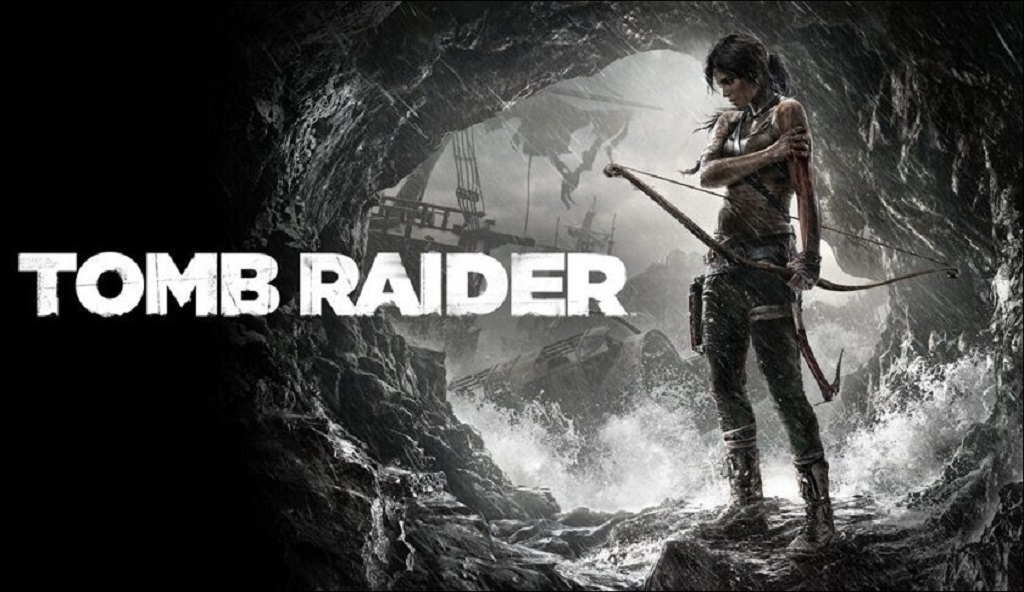
Lara Croft, a name synonymous with resilience, adventure, and the pursuit of ancient mysteries, took a significant leap forward with 2015’s “Rise of the Tomb Raider.” Beyond its compelling narrative and breathtaking visuals, the game introduced a robust system of challenges that significantly enhanced its gameplay and replayability. These challenges, woven seamlessly into the vast Siberian wilderness and forgotten tombs, offered players a multifaceted experience, pushing them beyond the standard narrative path and demanding a mastery of Lara’s evolving skills. The game’s intricate challenge system, far from being mere side quests, became a crucial element in solidifying “Rise of the Tomb Raider” as a benchmark for action-adventure games.
The Anatomy of Challenge: Beyond Survival Instincts
The challenges in “Rise of the Tomb Raider” were meticulously designed to cater to a variety of playstyles and skill levels. They ranged from simple tasks, such as collecting specific artifacts or hunting down particular animals, to more complex feats requiring precise platforming, strategic combat, and creative puzzle-solving. The game’s open-world structure allowed for a dynamic exploration, with challenges often integrated into the environment itself. For instance, players might encounter a hidden tomb entrance accessible only after completing a specific environmental puzzle or discover a rare animal species that required stealth and hunting prowess.
One of the most notable aspects of these challenges was their ability to deepen the player’s engagement with the game’s mechanics. They weren’t just about completing a checklist; they were about mastering Lara’s growing arsenal of skills and understanding the intricacies of the environment. The crafting system, crucial for survival in the harsh Siberian landscape, was frequently intertwined with challenges. Players were often tasked with hunting specific animals to gather rare resources or crafting specialized ammunition to overcome formidable enemies. This encouraged a more holistic approach to gameplay, where resource management and strategic planning became as important as combat and exploration.
Furthermore, the game’s challenge tombs, a hallmark of the series, were elevated to a new level of sophistication. These tombs, hidden throughout the map, presented intricate puzzles and platforming sequences that required players to think creatively and utilize Lara’s abilities in innovative ways. Successfully navigating these tombs yielded valuable rewards, often in the form of ancient artifacts or skill upgrades, further incentivizing players to explore every nook and cranny of the game world. The challenge tombs were not merely obstacles but immersive experiences, each telling a unique story and demanding a blend of intellect and dexterity.
The challenges also contributed significantly to the game’s sense of progression. Completing them often rewarded players with experience points, which could be used to unlock new skills and upgrades. This created a rewarding feedback loop, where players felt a tangible sense of growth as they overcame increasingly difficult obstacles. The challenge system, therefore, wasn’t just an optional side activity; it was a fundamental part of Lara’s journey, allowing players to shape her development and tailor her abilities to their preferred playstyle.
Humanizing the Challenge: Beyond Pixels and Code
What truly set “Rise of the Tomb Raider’s” challenges apart was their ability to humanize Lara’s experience. They weren’t just abstract tasks; they were reflections of her struggle to survive and uncover the secrets of the lost city of Kitezh. Each challenge, whether it was hunting a snow leopard in a blizzard or deciphering an ancient inscription, contributed to Lara’s personal growth and deepened her connection to the world around her.
The narrative woven into these challenges was particularly compelling. For instance, the optional tombs often contained journals or murals that revealed the stories of the people who once inhabited these ancient structures. These stories, filled with tragedy, triumph, and mystery, added a layer of depth to the game’s world, making it feel more lived-in and authentic. Lara’s interactions with these remnants of the past were not just about solving puzzles; they were about understanding the history of the region and connecting with the people who had come before her.
Furthermore, the challenges often forced Lara to confront her own limitations and fears. The harsh Siberian wilderness, with its extreme weather conditions and dangerous wildlife, tested her survival skills to the limit. Overcoming these challenges required not only physical prowess but also mental fortitude. Lara’s determination to persevere, even in the face of overwhelming odds, resonated with players, making her a relatable and inspiring protagonist.
The game’s dynamic weather system also played a crucial role in humanizing the challenges. Blizzards, avalanches, and sudden temperature drops added an element of unpredictability to the gameplay, forcing players to adapt to changing conditions. This created a sense of vulnerability, reminding players that Lara, despite her extraordinary abilities, was still human and subject to the whims of nature.
Moreover, the challenges facilitated a sense of community among players. The game’s leaderboards and social features allowed players to compare their scores and times, fostering a spirit of competition and encouraging players to strive for excellence. Sharing tips and strategies for completing particularly difficult challenges became a common practice, creating a sense of camaraderie among fans. This human element, the shared experience of overcoming obstacles, further solidified “Rise of the Tomb Raider’s” legacy as a game that resonated with players on a deeply personal level.
By strategically incorporating these keywords into the article’s text, title, and meta description, we can improve its search engine ranking and attract a wider audience. Additionally, providing comprehensive information about the game’s challenges, including tips, strategies, and walkthroughs, will further enhance its value to readers.
Read More Also: Ultimate Guide to Octopath Traveler Map: Explore Every Corner of Orsterra
People Also Ask (FAQs)
-
What are the challenge tombs in Rise of the Tomb Raider?
- Challenge tombs are optional puzzle-filled areas that offer unique rewards upon completion, like ancient artifacts and skill upgrades. They test the player’s platforming and puzzle-solving abilities.
-
How do I find all the collectibles in Rise of the Tomb Raider?
- Collectibles are scattered throughout the game world. Utilize Lara’s survival instincts, explore thoroughly, and consult maps or online guides for specific locations.
-
What are the best skills to unlock in Rise of the Tomb Raider?
- Prioritize skills that enhance combat, crafting, and survival, such as those that improve aim, resource gathering, and health regeneration.
-
Are there missable challenges in Rise of the Tomb Raider?
- Some challenges may become inaccessible after certain story points, so it’s advisable to complete them as you progress through the game.
-
How do I complete the difficult hunting challenges?
- Use stealth, utilize appropriate weapons and ammunition, and study animal behavior to maximize your chances of success.
-
How many challenge tombs are in Rise of the Tomb Raider?
- There are 9 challenge tombs in the main story.
-
What are the rewards for completing all challenges?
- Rewards vary, often including experience points, in-game items, and achievements/trophies, as well as the satisfaction of full completion.
Read More Also: Can You Throw Down? The Best Games to Test Your Fighting Spirit
Conclusion
“Rise of the Tomb Raider’s” challenge system was a masterclass in game design, seamlessly blending gameplay, narrative, and exploration into a cohesive and engaging experience. It went beyond mere side quests, becoming an integral part of Lara’s journey and allowing players to truly embody her role as a resilient and resourceful adventurer. By humanizing the challenges and weaving them into the fabric of the game’s world, Crystal Dynamics created an experience that resonated with players on a deeply personal level. The game’s enduring legacy is a testament to the power of well-crafted challenges to elevate a game from good to great. The challenges are not just tasks to be completed, but a part of the journey to be experienced, and a huge part of what makes “Rise of the Tomb Raider” a truly great game.