

You choose the right mobile game development company by matching company strengths to written business needs. Firstly, define your genre, platforms, budget, timeline, and scale before comparing any portfolios. Then, shortlist only companies proving direct experience with games like yours.
However, most businesses start with studio reputations and discover mismatches painfully late. Consequently, impressive portfolios often hide weak genre fit or unsuitable team structures. This guide reverses that order and starts with your needs instead.
Specifically, you will map each business requirement to one clear company profile. Ultimately, disciplined matching protects your budget, launch date, and player experience. Moreover, simple checks then confirm fit before contracts lock you in.
Define Your Business Needs Before You Compare Companies
Clear business requirements turn vague ambitions into a brief companies can price. Additionally, written needs expose gaps between your idea and realistic delivery plans. A trusted game development service provider translates those needs into scope, staffing, and milestones.
Turn Goals Into Written Business Requirements
Start by naming your business goal in one plain, measurable sentence. For example, brand games chase engagement, while commercial titles chase revenue and retention. Next, list must-have features separately from features awaiting later updates.
Together, these details shape every later matching decision you make. Document these core business requirements before requesting any proposal or quote:
- Business goal: engagement, revenue, learning, or brand awareness
- Target players: age, region, habits, and spending behaviour
- Launch scope: prototype, minimum viable product, or full release
- Success measures: downloads, retention, revenue, or session length
Rank Needs Before Studios Distract You
Importantly, rankings reveal which needs allow compromise and which needs forbid it. For instance, a fixed launch event fixes your timeline beyond negotiation. In contrast, flexible features let companies propose creative scope trade-offs freely.
Match Genre Expertise and Platform Fit to Your Game
Genre expertise decides how quickly a team solves your specific design problems. Moreover, puzzle, racing, and strategy games demand very different mechanics and balancing. Therefore, prioritise studios showing shipped titles inside your exact genre family.
Test Platform Fit on Real Devices
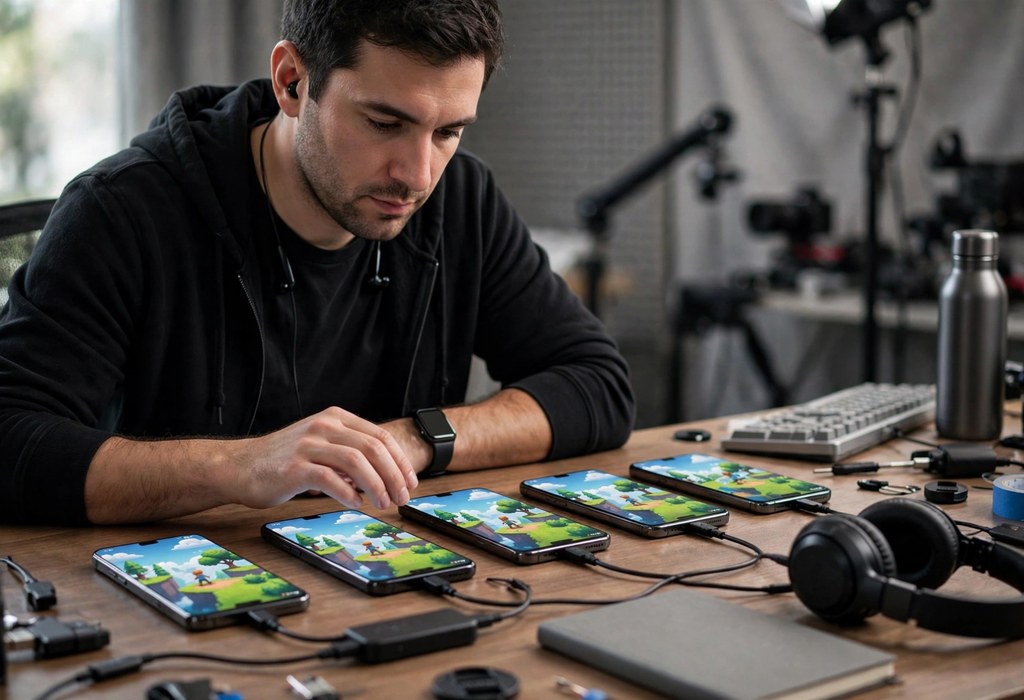
Platform fit covers your stores, devices, screen sizes, and performance limits. Specifically, strong candidates demonstrate smooth builds on the App Store and Google Play. Besides, device testing reveals control, loading, and battery problems early.
Pick an Engine That Fits Your Game
Engine choice also shapes platform fit, hiring options, and future porting costs. Typically, Unity suits broad mobile reach, while Unreal Engine suits demanding visuals. Crucially, your chosen mobile game development company should justify its engine recommendation clearly.
Align Budget and Timeline With Company Capacity
Budget alignment means matching your spend to scope, seniority, and support needs. However, the cheapest mobile game development company often excludes testing, art, or submission work. Consequently, compare proposals line by line against identical business requirements always.
Practically, timeline fit matters equally because rushed schedules quietly destroy game quality. Before signing, study essential considerations when hiring game development services alongside each itemised quote carefully. Subsequently, anchor payments and reviews to milestone delivery, not calendar dates.
Meanwhile, capacity signals reveal fit faster than polished sales presentations alone. Use this quick map while screening your first shortlist of candidates:
| Business Need | What It Demands | Right Company Profile |
| Tight timeline | Parallel workflows, senior staff | Larger studio, proven capacity |
| Small budget | Lean scope, reusable systems | Compact team, focused specialists |
| Live operations | Analytics, events, regular updates | Team offering post-launch support |
| Premium visuals | Senior artists, strong Unreal expertise | Art-led studio, visual specialists |
Check Team Size and Structure Fit Your Scale
Team size shapes speed, cost, and the attention your project receives daily. Large studios bring producers, artists, testers, and engineers under one roof. Conversely, small studios offer direct access, lower overheads, and faster decisions.
Confirm the Actual People Behind the Pitch
Always meet the designers, developers, and testers who will build your game. Occasionally, sales teams promise senior staff and quietly substitute junior hires later. Accordingly, name key roles, backups, and replacement rules inside your agreement.
Similarly, growing games need partners who scale teams without breaking existing workflows. In particular, ask how the company adds testers before busy launch periods.
Match Process and Communication to Your Working Style
Working style fit decides how smoothly daily collaboration feels for both sides. Some businesses want weekly builds, detailed reports, and frequent decision meetings. Others prefer monthly reviews and one empowered contact handling routine choices.
Honestly, neither style beats the other when both sides honour it consistently. Thus, agree meeting rhythms, response times, and approval owners before kickoff. Strong communication habits then prevent small misunderstandings from becoming expensive delays.
Fortunately, short alignment checks expose style clashes before contracts formalise them. Align these working-style essentials during your final selection conversations together:
- Meeting rhythm: weekly demos, monthly reviews, or milestone checkpoints
- Feedback route: one contact, shared boards, and clear deadlines
- Decision rights: who approves builds, changes, and extra spending
- Escalation path: named contacts for delays, defects, and disputes
Validate the Match Before You Commit Fully
Validation turns promising claims into evidence before you commit serious money. Study how mobile game development teams convert ideas into playable games through prototypes and iterations. Afterwards, request a paid prototype covering your riskiest mechanic or feature.
During validation, play every build personally on your own target devices. Additionally, interview recent clients with similar genres, platforms, and budgets. Finally, score each candidate against your ranked needs, not general impressions.
Equally, confirm post-launch support scope, response times, and update pricing upfront. A well-matched mobile game development company plans life after launch from day one.
Avoid Needs-Matching Mistakes That Derail Projects
Most mismatches begin with vague needs and hurried, reputation-led shortlisting decisions. Watch for these recurring mistakes during every selection conversation you hold:
- Vague brief: companies guess scope and price completely different games
- Genre blindness: impressive portfolios hiding zero relevant genre experience
- Budget tunnel vision: headline price beating scope, quality, and support
- Platform assumptions: iOS strength masking weak Android delivery skills
- Oversized partner: large studio deprioritising your small project quietly
In practice, careful buyers treat every mismatch signal as useful selection data. Ultimately, walking away early costs far less than rescuing failing projects.
Frequently Asked Questions
How do I choose a mobile game development company?
Match written business needs against genre expertise, platform fit, budget, and team structure.
How much does hiring a mobile game development company cost?
Costs depend on genre, platforms, features, art style, timeline, and support scope.
Should I choose Unity or Unreal Engine for my game?
Choose Unity for broad mobile reach and Unreal Engine for demanding visuals.
How big should my mobile game development team be?
Team size should mirror scope, deadline pressure, and your planned post-launch ambitions.
What business needs should I define before hiring?
Define genre, platforms, audience, budget, timeline, scale, and success measures first.
Conclusion
Matching needs to company profiles turns hiring into a deliberate business decision. Additionally, clear requirements, honest budgets, and validated skills protect your launch. Therefore, trust evidence over reputation whenever final candidates look equally polished.
Now, write your one-page business requirements brief this week. Next, shortlist three matching companies and request comparable, itemised proposals immediately. Start today, and choose a mobile game development company fitting your needs.